


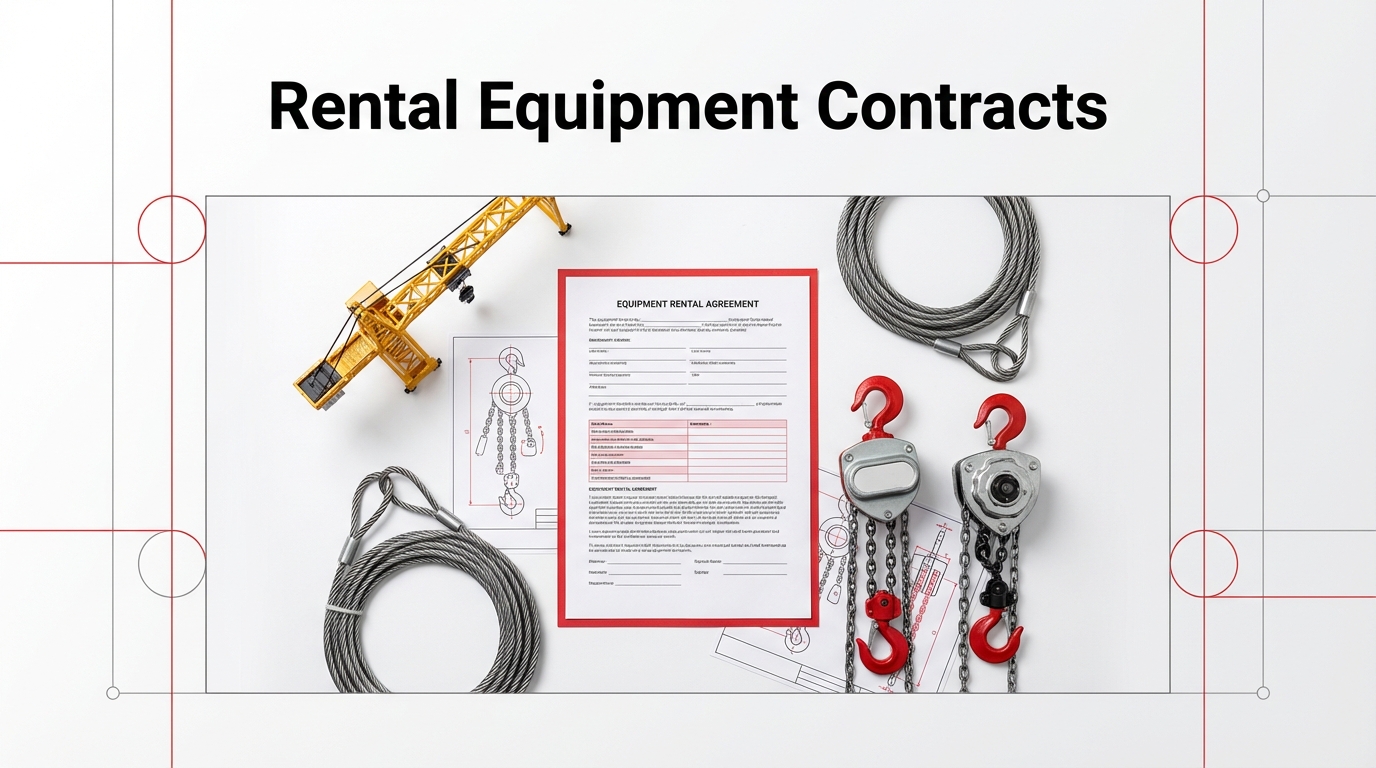

A rental agreement for lifting equipment is a legally binding contract that defines the machinery being rented, outlines each party’s responsibilities, and establishes the financial and legal terms governing the entire rental period.
This guide covers equipment types and contract terms, rental pricing and cost structures, OSHA compliance and safety obligations, insurance and liability requirements, and maintenance, inspection, and return procedures.
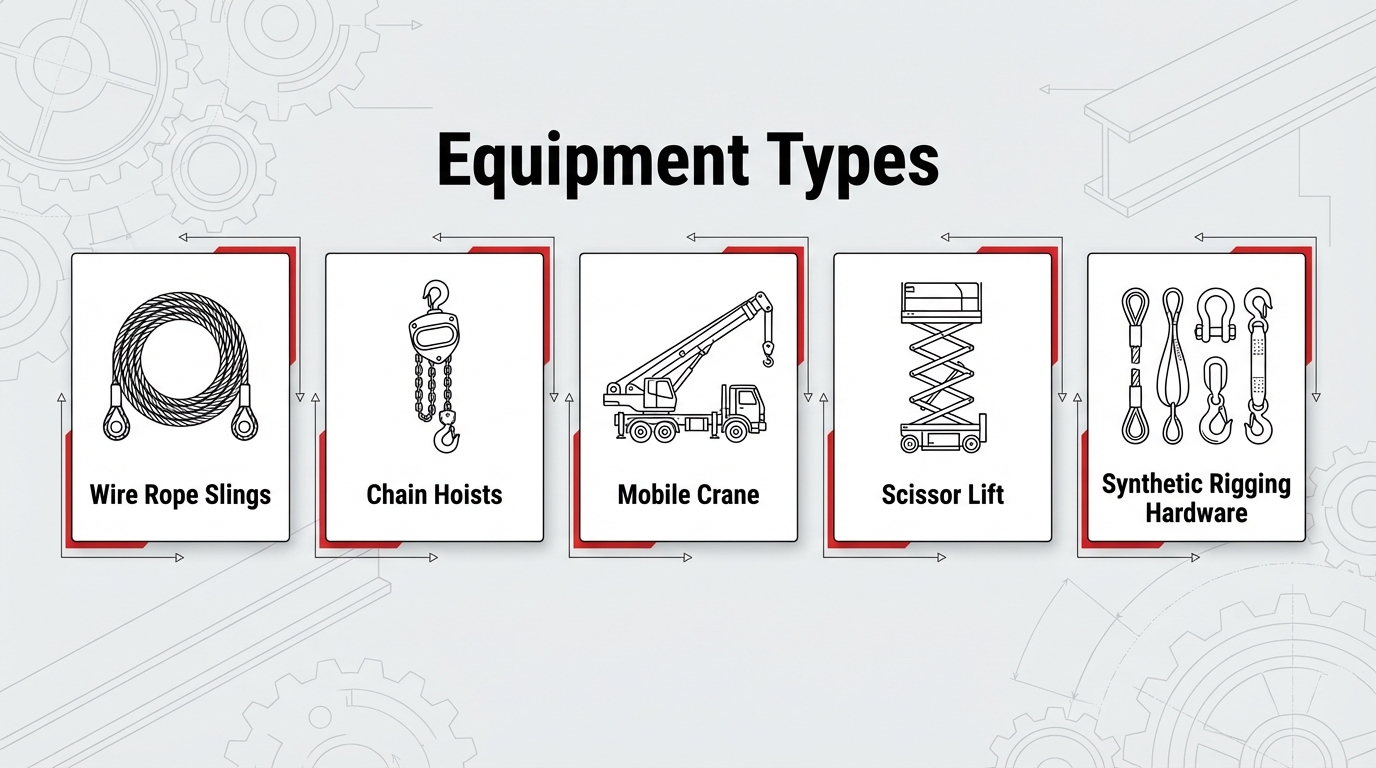
Lifting equipment available for rent spans wire rope slings, chain slings, hoists, cranes, aerial work platforms, and synthetic rigging hardware. Each category serves distinct load capacities and jobsite conditions, and rental agreements must identify the specific asset by serial number, rated capacity, and documented condition.
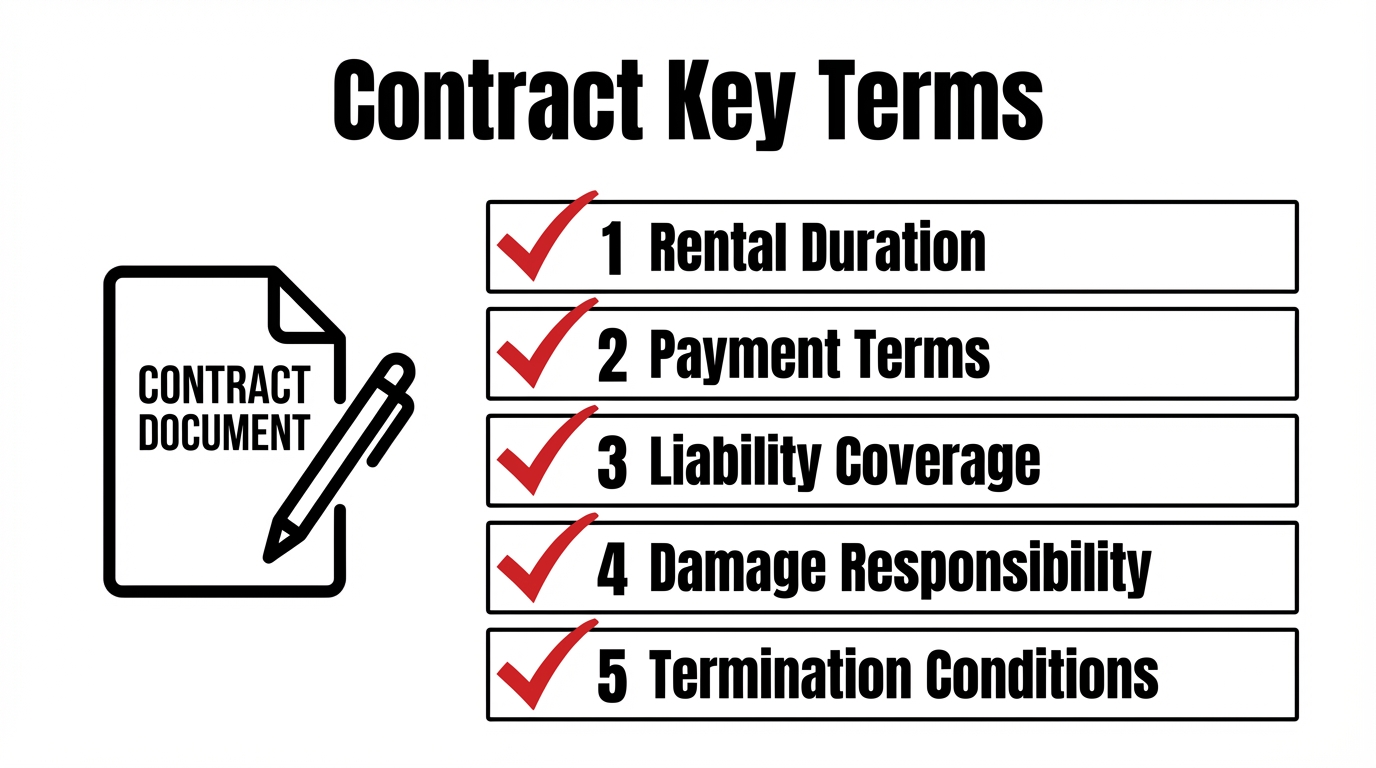
Contract terms determine how costs, risks, and obligations are distributed between the lessor and lessee. Clauses covering rental duration, payment structure, indemnification, damage responsibility, and termination conditions carry significant financial consequences when overlooked.
Rental costs follow tiered pricing where daily rates carry the highest per-day expense, while weekly and monthly commitments reduce that amount. Additional fees for loss damage waivers, cleaning, delivery, and equipment repairs can increase total project costs beyond the base rate.
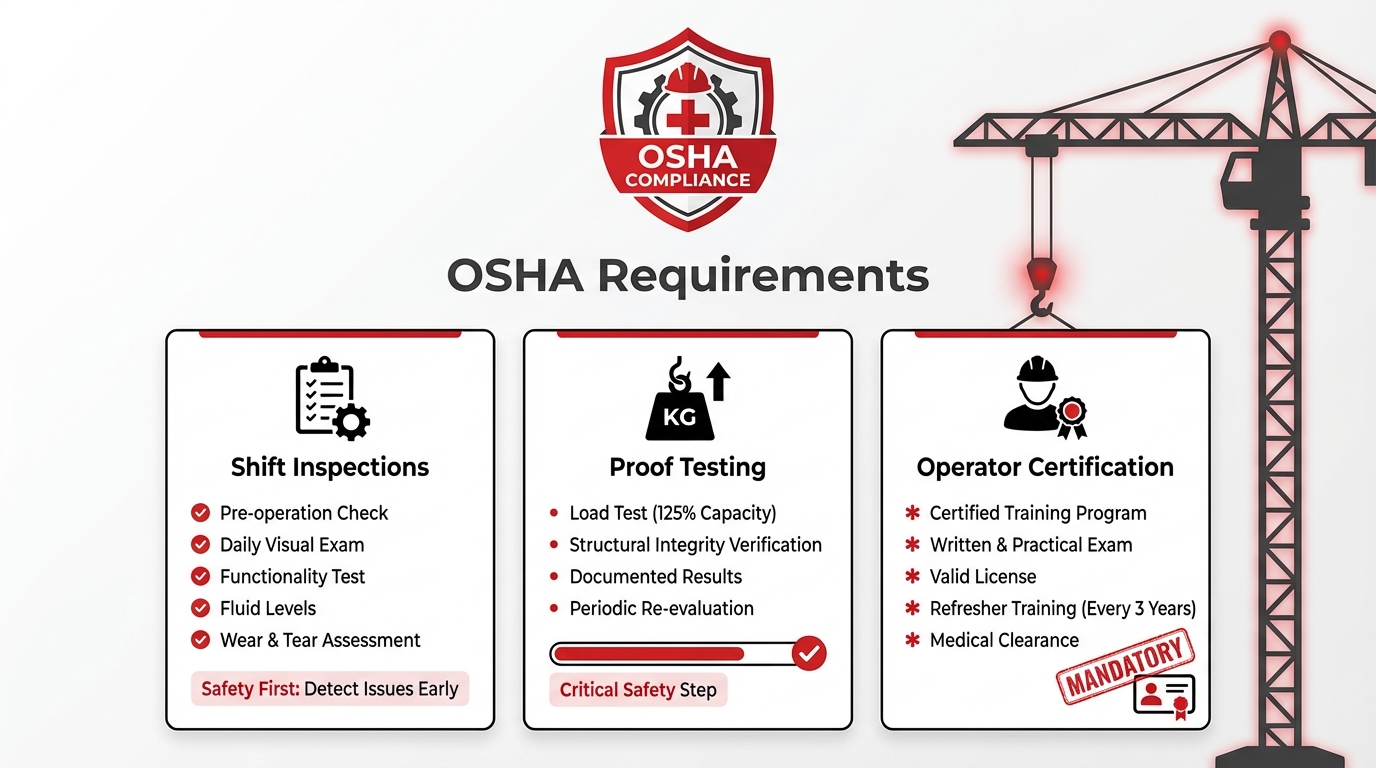
OSHA requires shift-based rigging inspections, proof-testing of lifting accessories to 125 percent of rated load, and operator certification before any equipment enters service. The worksite employer bears primary enforcement liability regardless of who owns the equipment.
Proper insurance coverage, thorough pre-rental condition documentation, routine maintenance during the rental period, and disciplined return procedures protect renters from disputes, unexpected charges, and regulatory penalties.
What Is a Rental Agreement for Lifting Equipment?
A rental agreement for lifting equipment is a legally binding contract that outlines terms for renting machinery, tools, or other equipment, including key clauses, legal considerations, and the responsibilities of both parties. Every equipment lease agreement must define the asset being leased with specificity, including serial numbers, condition, and any noted defects. This level of detail protects both the lessor and the lessee from disputes over equipment condition or performance expectations.
Most rental equipment companies also require proof of construction equipment rental insurance or an agreement to their coverage plan, according to BigRentz. Without proper documentation of insurance status, the rental process typically cannot proceed. For companies managing complex lifts across multiple jobsites, understanding these foundational contract elements before signing prevents costly misunderstandings later. The sections that follow break down each component of these agreements in detail.
Why Do Companies Rent Lifting Equipment Instead of Buying It?
Companies rent lifting equipment instead of buying it because renting reduces upfront capital expenditure, eliminates long-term maintenance burdens, and provides access to specialized machinery only when projects demand it.
Renting construction equipment offers lower upfront costs, access to the latest technology, reduced maintenance responsibilities, and increased operational efficiency, according to Bestline Equipment. These advantages matter most for companies managing multiple projects with varying scope, where owning every piece of equipment would tie up capital in depreciating assets.
Ownership does carry its own benefits; purchasing heavy machinery can reduce interest rates over time and provide tax incentives while expanding a company’s asset inventory. However, that calculus shifts when a crane, spreader beam, or specialized rigging assembly sits idle between projects. For most contractors and industrial firms, the financial flexibility of renting outweighs the long-term savings of ownership unless utilization rates remain consistently high.
The rental model also keeps companies competitive through technology access. Rental providers are increasingly leveraging big data to analyze equipment usage patterns and market trends, which translates into better-maintained fleets and more responsive service for renters. Rather than committing to a single equipment generation, companies that rent can upgrade to newer, safer, and more efficient machines with each project cycle.
Seasonal and project-based demand further strengthens the case for renting. A steel erection crew needing a 50-ton crawler crane for six weeks gains nothing from a purchase that requires storage, insurance, and annual inspections year-round. Renting matches equipment costs directly to revenue-generating work, keeping balance sheets lean and project budgets predictable.
Understanding why renting dominates helps frame the rental agreement itself, since the contract terms covered next determine how effectively these financial and operational advantages translate to your jobsite.
What Types of Lifting Equipment Are Commonly Available for Rent?
The types of lifting equipment commonly available for rent include slings, hoists, cranes, aerial work platforms, and rigging hardware. Each category serves distinct load capacities and jobsite requirements.
Wire Rope Slings and Chain Slings
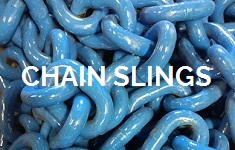
Wire rope slings and chain slings are the most frequently rented rigging components for securing and moving heavy loads. Wire rope slings come in 6×19, 6×36, and 6×37 configurations, each engineered for specific balances of abrasion resistance, flexibility, and strength. Chain slings handle high-temperature environments and resist cutting from sharp-edged loads, making them standard for steel production and heavy construction.
Both sling types must meet strict standards. ASME B30.9-2021 includes updated sections addressing proof test requirements, rated loads, and operating practices for slings. Selecting the correct sling configuration for the load profile is one of the most overlooked steps in rental planning, yet it directly determines whether the lift stays within safe working limits.
Hoists and Overhead Lifting Devices
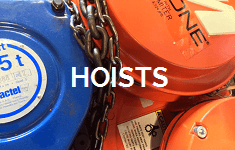
Hoists and overhead lifting devices are mechanical systems used to raise, lower, and position loads vertically. Common rental options include electric chain hoists, manual lever hoists, and beam trolleys that travel along overhead tracks. These devices pair with below-the-hook attachments such as lifting beams, plate clamps, and coil lifters to handle specialized load shapes.
ASME B30.20-2025 governs below-the-hook lifting devices, covering marking, construction, installation, inspection, testing, maintenance, and operation. Per ASME B30.20-1.3.2, operators must inspect these devices before and during every lift for damage. Renting hoists with current compliance documentation saves considerable time during jobsite safety audits.
Cranes and Aerial Work Platforms
Cranes and aerial work platforms are the highest-capacity and highest-reach categories of rentable lifting equipment. Single girder cranes suit lighter loads, while double girder cranes handle heavy loads; both types can lift up to 3,307 lbs. Mobile cranes, crawler cranes, and rough terrain cranes serve heavier industrial and construction applications.
Aerial lifts, including scissor lifts and boom lifts, can reach heights up to 185 feet according to Sunbelt Rentals. For projects requiring both horizontal reach and vertical lift, combining crane rentals with aerial platforms often proves more cost-effective than sourcing a single oversized machine.
Synthetic Slings and Rigging Hardware
Synthetic slings and rigging hardware provide lighter, surface-friendly alternatives to steel components for load attachment and control. Synthetic lifting slings are non-metallic, load-bearing devices woven from engineered polymer fibers, offering weight and handling advantages over wire rope slings with comparable rated capacities. Rigging hardware, such as shackles, turnbuckles, eyebolts, and swivels, connects slings to loads and lifting points.
Before every lift, confirm the weight of the load and check the rated capacity of the crane, slings, and rigging hardware to avoid exceeding equipment limits. Matching sling material and hardware ratings to the specific load is where rental agreements and safety planning intersect most directly.
What Key Terms Should You Look for in a Lifting Equipment Rental Contract?
The key terms you should look for in a lifting equipment rental contract include rental duration, payment structure, liability provisions, damage responsibility, and termination conditions. Each subsection below breaks down these critical clauses.
What Do Rental Duration and Extension Clauses Cover?
Rental duration and extension clauses cover the agreed timeframe for equipment use and the process for extending that period. These sections specify start and end dates, minimum rental periods, and any penalties for late returns. Extension provisions typically outline how to request additional time, what rates apply beyond the original term, and required notice periods.
According to Cleveland Brothers, a Loss Damage Waiver (LDW) can be waived by submitting a valid certificate of insurance covering physical damage to the rental unit, which is worth confirming during the duration negotiation phase. Reviewing extension terms upfront prevents unexpected charges if project timelines shift.
What Are the Payment Terms and Rate Structures?
The payment terms and rate structures define how and when rental fees are collected. Most lifting equipment rental contracts follow a familiar structure, typically including sections labeled Rental Duration, Usage Terms, Fees, and Return Policy.
Key payment elements to verify include:
- Billing cycle: Daily, weekly, or monthly invoicing schedules.
- Rate type: Fixed flat rates versus usage-based charges tied to operating hours.
- Deposits and advance payments: Upfront amounts required before equipment delivery.
- Late payment penalties: Interest rates or fees applied to overdue balances.
Longer rental commitments generally reduce the per-day cost, so matching the rate structure to your project timeline is one of the simplest ways to control expenses.
What Liability and Indemnification Provisions Apply?
The liability and indemnification provisions that apply define which party assumes financial responsibility for claims arising from equipment use. In standard crane and lifting equipment rental agreements, the lessee typically agrees to indemnify and hold the rental company harmless against claims, suits, damages, injuries, and associated legal costs connected to the rental.
According to a Maxim Crane Works master agreement, the lessee bears this obligation unless a claim results from the lessor’s negligence or a latent equipment defect. These provisions shift significant risk onto the renter, making it essential to understand exactly what your organization is accepting before signing. Always verify whether your existing general liability and umbrella policies align with the contract’s indemnification scope.
What Damage and Loss Responsibility Language Should You Review?
The damage and loss responsibility language you should review addresses who pays when rented lifting equipment is damaged, stolen, or destroyed. Rental contracts typically require the lessee to return equipment in the same condition it was received, minus normal wear.
According to Assurant, loss damage waivers (LDWs) are purchased at the time of rental and act as contractual agreements regarding responsibility for damages rather than functioning as insurance. For contractors without an equipment floater policy, an LDW limits financial exposure if rented equipment is damaged or stolen. Before signing, confirm whether the contract’s damage language includes:
- Clear definitions of “normal wear” versus chargeable damage.
- LDW availability and its specific coverage limits.
- Your obligation to carry equipment floater insurance as an alternative.
What Termination and Cancellation Conditions Are Standard?
The termination and cancellation conditions that are standard in lifting equipment rental contracts specify how either party can end the agreement early and what financial consequences follow. Common provisions include required written notice periods, early termination fees calculated as a percentage of remaining rental value, and conditions under which the lessor can reclaim equipment without penalty.
Contracts may also allow immediate termination for cause, such as unsafe use, non-payment, or regulatory violations. Reviewing these clauses before signing protects your project from unexpected equipment loss mid-operation. Understanding both routine and cause-based termination rights ensures your team can plan around potential disruptions.
How Do Rental Costs for Lifting Equipment Break Down?
Rental costs for lifting equipment break down across daily, weekly, and monthly rate tiers, with additional fees for insurance, cleaning, and damage. The following sections cover each pricing level and common surcharges.
How Much Does It Cost to Rent Lifting Equipment Daily?
It costs between $150 and $700 or more to rent lifting equipment daily, depending on equipment type and power source. According to Herculift’s pricing guide, daily rental rates for electric scissor lifts typically range between $150 to $350, while diesel lifts cost $250 to $700 per day. Small boom truck cranes fall in the $300 to $600 range, and large crawler cranes can exceed $2,000 daily.
Daily rates carry the highest per-day cost compared to weekly or monthly options. Seasonal demand also plays a significant role; peak construction months in summer and heavy industrial periods in winter can push prices higher. For short-duration projects, daily rentals still offer advantages: lower upfront commitment, zero maintenance burden, and access to current equipment models. Confirming exact daily pricing before signing prevents budget surprises.
How Much Does It Cost to Rent Lifting Equipment Weekly?
It costs roughly 20% less per day to rent lifting equipment weekly compared to daily rates. Most rental companies structure weekly pricing at approximately 80% of the daily rate multiplied by seven days. For an electric scissor lift renting at $250 per day, a weekly rate would fall near $1,400 rather than $1,750 at straight daily pricing.
Weekly rentals suit projects spanning five to ten working days where returning equipment nightly is impractical. This tier balances cost savings with scheduling flexibility, making it the most common choice for mid-length construction phases and planned maintenance shutdowns.
How Much Does It Cost to Rent Lifting Equipment Monthly?
It costs significantly less per day to rent lifting equipment monthly than at daily or weekly rates, though total outlay is higher. Monthly rentals typically represent the lowest per-day expense across all rental tiers. According to Financial Professionals.org, the decision to rent or buy equipment goes beyond simple monthly payment comparisons; it requires a thorough understanding of the financial implications, accounting treatments, and operational flexibility.
Monthly terms work best for extended projects where equipment stays on site continuously. Contractors should weigh cumulative monthly rental spend against purchase costs when projects stretch beyond several months, since a break-even point eventually favors ownership.
What Additional Fees Can Increase Total Rental Costs?
The additional fees that can increase total rental costs include charges for insurance, cleaning, damage, delivery, and fuel. Common surcharges to anticipate:
- Loss Damage Waiver (LDW): A per-day fee that limits financial responsibility if equipment is damaged or stolen.
- Cleaning charges: Equipment returned dirty may incur fees at rates such as $85.00 per hour.
- Damage and repair costs: Renters are liable for repair or replacement if equipment is returned with damage not documented at pickup.
- Delivery and pickup fees: Transport to and from the job site adds cost, especially for oversized cranes or aerial platforms.
- Fuel and environmental charges: Some agreements require full fuel return or apply environmental surcharges.
Demand patterns also affect pricing indirectly. Forklift rental demand increases during warmer months alongside construction season, while the crane rental market continues growing due to urbanization and infrastructure development. Reviewing every fee line in the rental agreement before signing is the most reliable way to control total project costs.
What OSHA Compliance Requirements Apply to Rented Lifting Equipment?
OSHA compliance requirements for rented lifting equipment include proof-testing, shift-based inspections, proper documentation, and operator certification. The sections below cover inspection responsibility, required certifications, and consequences of inspection failure.
Who Is Responsible for OSHA Inspections on Rented Equipment?
The employer controlling the worksite is responsible for OSHA inspections on rented equipment. Regardless of ownership, the company using the equipment must verify it meets all applicable safety standards before each shift. According to OSHA regulation 1926.251, rigging equipment for material handling shall be inspected prior to use on each shift and as necessary during its use, with defective equipment removed from service immediately.
This means the renter cannot assume the rental provider has handled compliance. Both parties share overlapping duties, but the employer directing the work bears primary enforcement liability. Clarifying inspection roles within the rental agreement prevents gaps that lead to citations.
What Certification and Documentation Must Accompany Rentals?
The certification and documentation that must accompany rentals include proof-test records, rated load capacity tags, operator training credentials, and pre-rental condition reports. OSHA requires that any lifting accessory, such as custom hooks, clamps, or slings, be proof-tested to 125 percent of its rated load before use, according to Battery Handling Systems (BHS).
Key documents to verify before accepting rented lifting equipment include:
- Proof-test certificates showing loads tested to 125% of rated capacity.
- Legible rated load tags attached to each sling, shackle, or rigging component.
- Operator certification records per 29 CFR 1926.1427.
- Pre-rental inspection reports with photographs documenting equipment condition.
Missing any of these creates immediate compliance exposure for the renter.
What Happens If Rented Equipment Fails an OSHA Inspection?
Rented equipment that fails an OSHA inspection must be removed from service immediately. The employer cannot continue using defective rigging or lifting devices under any circumstance. Failure to comply can trigger OSHA citations, project shutdowns, and financial penalties assessed against the worksite employer.
Beyond regulatory consequences, the renter may face contractual liability. According to InTempo Software, customers who return damaged rental equipment may be held liable for repair or replacement costs, especially when the damage was not present at the time of initial rental. For lifting equipment specifically, failed inspections often indicate wear or misuse that triggers both OSHA enforcement and rental agreement damage clauses.
Documenting equipment condition at delivery protects against disputes over whether defects were pre-existing. With compliance obligations established, understanding insurance requirements adds another layer of rental protection.
What Insurance and Liability Coverage Do You Need for Rented Lifting Equipment?
The insurance and liability coverage you need for rented lifting equipment includes an equipment floater policy, general liability insurance, and either your own physical damage coverage or a loss damage waiver from the rental company. Most rental providers require proof of coverage before releasing equipment.
Equipment floater insurance covers portable equipment and tools transported between locations, such as jobsites or client premises, protecting against damage or theft. According to Insureon, this policy type is specifically designed for assets that move between work sites rather than staying at a fixed location. For contractors renting cranes, slings, or rigging hardware across multiple projects, an equipment floater fills the gap that standard commercial property insurance often leaves open.
Beyond the floater, renters should carry general liability insurance to cover third-party bodily injury or property damage that occurs during equipment operation. If a rented boom lift causes damage to an adjacent structure, general liability responds to the claim, not the rental company’s coverage.
When your existing policies do not extend to rented assets, most rental providers offer a loss damage waiver (LDW) as an alternative. An LDW is not insurance; it is a contractual agreement that limits your financial responsibility if the rented equipment is damaged or stolen during the rental period. LDWs are typically purchased at the time of rental and can often be waived by submitting a valid certificate of insurance covering physical damage to the rental unit.
The coverage types most relevant to rented lifting equipment include:
- Equipment floater insurance protects against damage, theft, and loss of portable equipment in transit between jobsites.
- Commercial general liability covers third-party injury or property damage claims arising from equipment use.
- Loss damage waiver (LDW) caps your financial exposure for damage to the rented unit itself.
- Workers’ compensation covers employee injuries during equipment operation, which rental agreements often require as a condition of the contract.
Overlooking these requirements is one of the most expensive mistakes a project manager can make. A single uncovered incident with a rented crane or hoist can exceed the total rental cost many times over, making proper insurance verification essential before any lifting operation begins.
What Maintenance and Inspection Obligations Exist During the Rental Period?
Maintenance and inspection obligations during the rental period include routine equipment checks, pre-rental condition documentation, and ongoing operational inspections. These responsibilities are typically shared between the rental provider and the renter, with specific duties defined in the rental agreement.
The renter is generally responsible for performing routine maintenance during the rental period. According to Sniper Rentals, regular checks can prevent issues while the equipment is in the renter’s possession. This means daily visual inspections, fluid level monitoring, and immediate reporting of any abnormalities fall on the renting party.
Before accepting any rented lifting equipment, thorough condition documentation protects both parties. During the pre-rental phase, a full walk-around, control tests, alarm verification, and photographing the machine are crucial steps to document its baseline condition. Skipping this step is one of the most common mistakes renters make; without photographic evidence and written records, disputes over pre-existing damage become nearly impossible to resolve fairly.
Routine maintenance obligations typically include:
- Performing daily pre-operation inspections before each use.
- Checking fluid levels, hydraulic lines, and safety devices regularly.
- Keeping the equipment clean and free of debris that could cause wear.
- Documenting and reporting any damage, unusual sounds, or performance issues immediately.
- Following all manufacturer-recommended operating procedures.
Major mechanical repairs and structural failures generally remain the rental company’s responsibility, unless the damage resulted from renter misuse or negligence. Most rental agreements draw a clear line between routine upkeep and warranty-covered repairs, so reviewing this distinction before signing prevents costly surprises.
Equipment rental prices have increased by 12 percent since the start of 2020, according to ConExpo-Con/Agg, which is significantly slower than the 41 percent increase in overall inflation during the same period. This relative cost stability makes renting attractive, but it also means rental companies expect renters to maintain equipment properly to keep fleet conditions high.
For any rental involving lifting equipment, consistent maintenance and thorough documentation throughout the rental period are the renter’s strongest protections against end-of-term liability. With obligations clearly understood, the next step is knowing what to verify before accepting equipment on site.
What Should You Check Before Accepting Rented Lifting Equipment on Site?
You should check operator qualifications, equipment condition, and documentation before accepting rented lifting equipment on site. These verification steps protect against safety violations, liability disputes, and costly project delays.
Before any rented crane, hoist, or rigging assembly enters your work area, a structured acceptance process ensures the equipment meets both contractual specifications and regulatory standards. The following checks cover operator readiness, pre-operational condition verification, and return-condition documentation.
Operator qualification verification comes first. According to OSHA, the employer must ensure that each operator is trained, certified/licensed, and evaluated in accordance with 29 CFR 1926.1427 before operating any equipment. Confirm credentials before the machine is unloaded, not after.
Pre-operational condition assessment is equally critical. A pre-operational checklist should be accurately completed before operating any rented equipment, and the equipment should not be operated if any item on the checklist indicates damage or defects, per United Rentals’ operational guidelines. Key items to verify on arrival include:
- Structural integrity of booms, jibs, and load-bearing components
- Functional controls, brakes, and safety alarms
- Legible load capacity markings and current inspection tags
- Fluid levels, tire condition, and visible signs of wear or leaks
- Matching serial numbers against rental agreement documentation
Baseline condition documentation protects you at both ends of the rental period. Photograph the equipment thoroughly upon delivery, noting any pre-existing scratches, dents, or component wear. Heavy rental equipment should be cleaned, all fluids checked, and any damage reported and documented before returning it to the rental company. Establishing this baseline on day one prevents disputes over damage responsibility at return.
For teams managing multiple rental assets across jobsites, skipping even one of these steps creates exposure to both OSHA citations and unexpected repair charges. The few hours invested in a thorough site acceptance process consistently saves weeks of dispute resolution later.
With acceptance procedures established, the next step is understanding how to return equipment and avoid end-of-rental disputes.
How Do You Return Lifting Equipment and Avoid End-of-Rental Disputes?
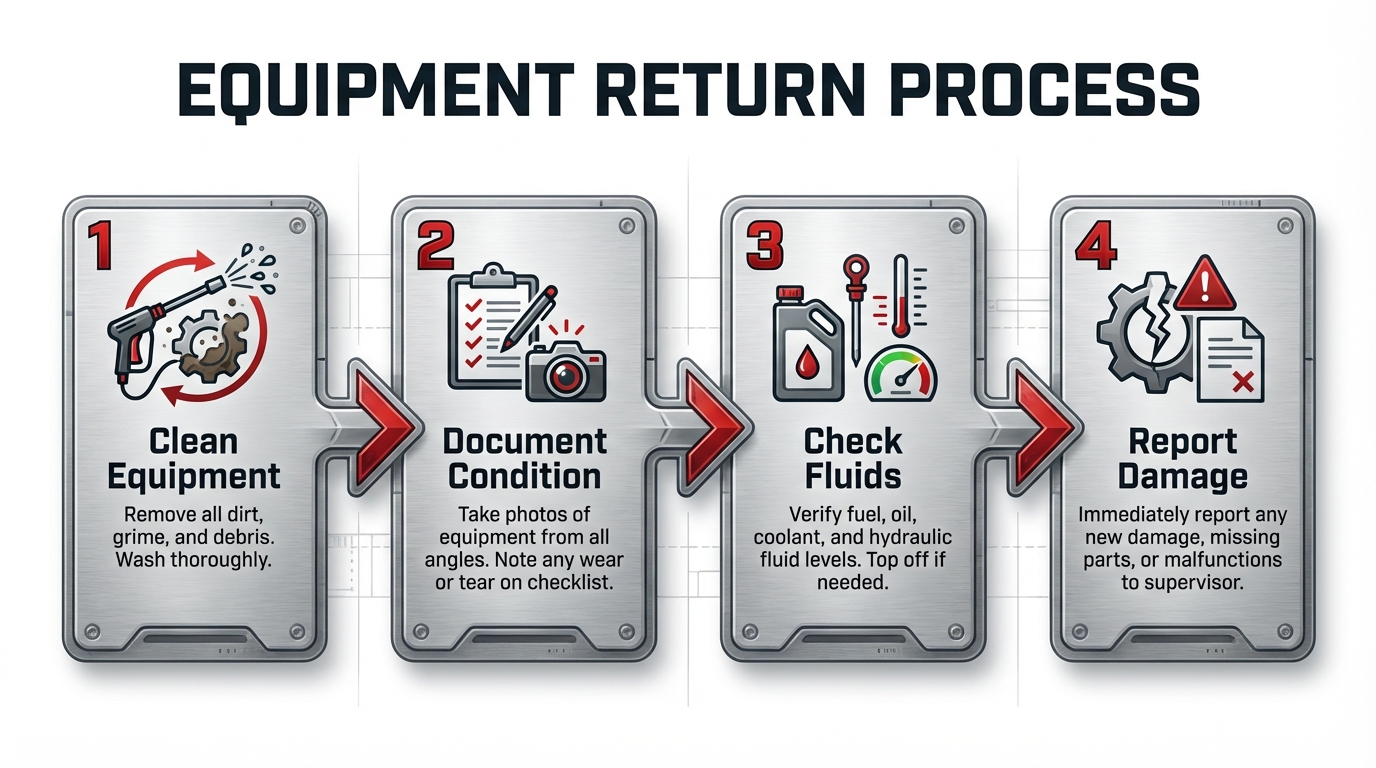
You return lifting equipment and avoid end-of-rental disputes by cleaning the equipment, documenting its condition, checking all fluids, and reporting any damage before the return date. Proper preparation prevents unexpected charges and protects both parties.
A smooth return process starts well before the equipment leaves your jobsite. According to Ahern Rentals, heavy rental equipment should be cleaned, all fluids checked, and any damage reported and documented before returning it to the rental company. Failing to follow these steps often triggers cleaning fees, repair charges, or liability disputes that could have been avoided entirely.
The most effective return strategy combines three practices:
- Clean the equipment thoroughly. Rental companies may apply cleaning charges at hourly rates if equipment arrives dirty. Removing debris, grease, and jobsite residue before return eliminates this cost.
- Document the equipment’s condition with photos and video. Capture every angle, including any pre-existing wear, to create a timestamped record that matches your pre-rental documentation.
- Check and top off all fluids. Hydraulic fluid, engine oil, and coolant levels should meet the rental company’s specifications before the unit leaves your site.
- Report damage immediately. If any issue occurred during the rental period, notify the rental company before returning the unit. Undisclosed damage discovered during the return inspection typically results in full repair or replacement liability for the renter.
- Review the return policy in your contract. Confirm the return deadline, acceptable condition standards, and any required paperwork to avoid late fees or extension charges.
For contractors managing multiple rentals across jobsites, keeping a standardized return checklist prevents oversights that lead to disputes. This level of discipline at the return stage reflects the same attention to detail that should guide every phase of a lifting equipment rental agreement.
How Can Tway Lifting’s Equipment Rental and Rigging Services Support Your Project?
Tway Lifting’s equipment rental and rigging services support your project by combining over 75 years of manufacturing expertise with OSHA-compliant inspection, custom fabrication, and flexible rental options. The sections below cover how Tway Lifting simplifies rental agreements and the key takeaways from this guide.
Can Tway Lifting’s OSHA-Compliant Rental and Inspection Services Simplify Your Agreement?
Yes, Tway Lifting’s OSHA-compliant rental and inspection services can simplify your agreement. Tway Lifting provides certified, factory-trained riggers who perform pre-rental inspections and annual OSHA-required assessments, reducing the compliance burden written into your contract. Because Tway Lifting manufactures, sells, and rents its own rigging equipment, equipment specifications, condition documentation, and rated load verification are handled before delivery. According to a 2025 ConExpo-Con/Agg report, contracts must reflect both statutes and case law, especially regarding state anti-indemnity and anti-insurance language, to avoid legal issues in crane rental agreements. Tway Lifting’s in-house expertise addresses these requirements directly, so project managers can focus on execution rather than regulatory paperwork.
What Are the Key Takeaways About Rental Agreements for Lifting Equipment?
The key takeaways about rental agreements for lifting equipment center on five actionable principles:
- Every agreement should define the leased asset with specificity, including condition, rated capacity, and defect documentation.
- Indemnification clauses protect the lessor from liability for damages or injuries, making them essential to review before signing.
- Pre-rental inspections, routine maintenance responsibilities, and return condition standards must be clearly outlined to avoid end-of-rental disputes.
- Insurance requirements, whether through an equipment floater policy or a loss damage waiver, should be confirmed before equipment arrives on site.
- OSHA compliance obligations apply regardless of ownership; both the rental provider and the lessee share responsibility for safe operation.
Tway Lifting, headquartered in Indianapolis with a second superstore in Fort Wayne, addresses each of these areas through integrated rental, inspection, and repair services backed by ISO 9001 certification. For projects requiring wire rope slings, synthetic slings, spreader beams, shackles, hoists, or custom lifting assemblies, Tway Lifting offers daily, weekly, and monthly rentals with free local delivery and pickup.