



Operator training for rental lifting equipment is the process of ensuring every worker who operates hoists, slings, cranes, and fall protection gear is trained, evaluated, and certified before use, regardless of whether that equipment is owned or rented. This guide covers the legal framework behind training requirements, the equipment types and core competencies involved, training […]
What Happens If Rental Equipment Is Damaged?
When rental equipment is damaged, the renter typically bears default financial responsibility under the rental contract, though liability can shift based on equipment condition, contract terms, and how the damage occurred. This guide covers who is actually liable when damage happens, what rental contracts require, how damage costs are calculated, what insurance actually covers, and […]
Storing a Rented Spreader Bar On Site
A spreader bar is a beam or bar used to hold apart two or more lifting slings that suspend a load with multiple attachment points, preventing the sling convergence that would otherwise crush or deform sensitive cargo. Because the bar carries the full applied load in compression, how it is stored between lifts directly affects […]
2-Point vs 4-Point Lifting Configurations for Rent
A lifting configuration is the specific arrangement of slings, hardware, and attachment points used to connect a load to a crane or hoist for a controlled lift. The two most common configurations are 2-point and 4-point setups, each suited to different load types, weight distributions, and jobsite conditions. This guide covers how each configuration works […]
Renting Slings & Shackles with Spreader Bars
Renting slings, shackles, and spreader bars means accessing the three core components of a rigging system on a project-aligned basis, without the capital cost, maintenance burden, or depreciation risk of ownership. This guide covers equipment identification, rental decision-making, sling and shackle types, spreader bar selection, load rating rules, OSHA compliance, rental costs, pre-use inspection, and […]
How to Set Up Your Rented Spreader Bar Safely
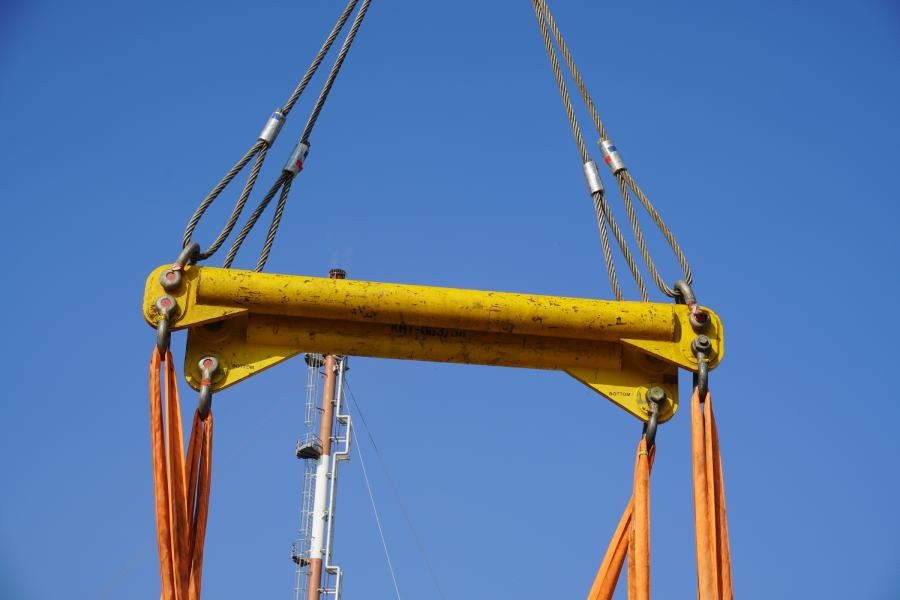
A spreader bar is a below-the-hook load attaching device that keeps lift slings separated and vertical, absorbing inward compression forces through the bar itself rather than transferring them into the suspended load. Setting one up safely on a rental unit requires more than connecting hardware — it demands verified equipment, precise geometry, and coordinated communication […]
Are Inspections Included with Rental Equipment?
Rental equipment inspections are not automatically included with every agreement. Coverage depends on the rental company, contract terms, and equipment type, meaning renters often assume protections that do not exist. This guide covers what rental agreements actually provide, how inspection responsibility is assigned under federal regulations, what specific defects to look for across different equipment […]
Spreader Bar Rental for Bridge & Infrastructure Projects
Spreader bar rental for bridge and infrastructure projects is the short-term lease of below-the-hook lifting devices that convert crane hook loads into pure compression, distributing force evenly across multiple lift points to protect structural components during placement. This guide covers what spreader bars are and how they work, the types available to rent, why they […]
How Should You Inspect a Rented Spreader Bar Before Use?
A spreader bar is a below-the-hook lifting device that holds rigging slings apart to distribute a load across multiple lifting points, converting the applied load into compression in the bar and tension in the attached slings. Renting one introduces a critical variable: you have no direct knowledge of that bar’s service history, inspection status, or […]
What Should You Consider When Renting a Spreader Bar for Offshore and Marine Use?
A spreader bar is a compressive rigging element that controls load attachment points and stabilizes loads during overhead lifts by holding sling legs apart at a fixed span. In offshore and marine environments, salt exposure, vessel motion across six degrees of movement, and dynamic wave loading make equipment selection, certification, and inspection far more consequential […]