






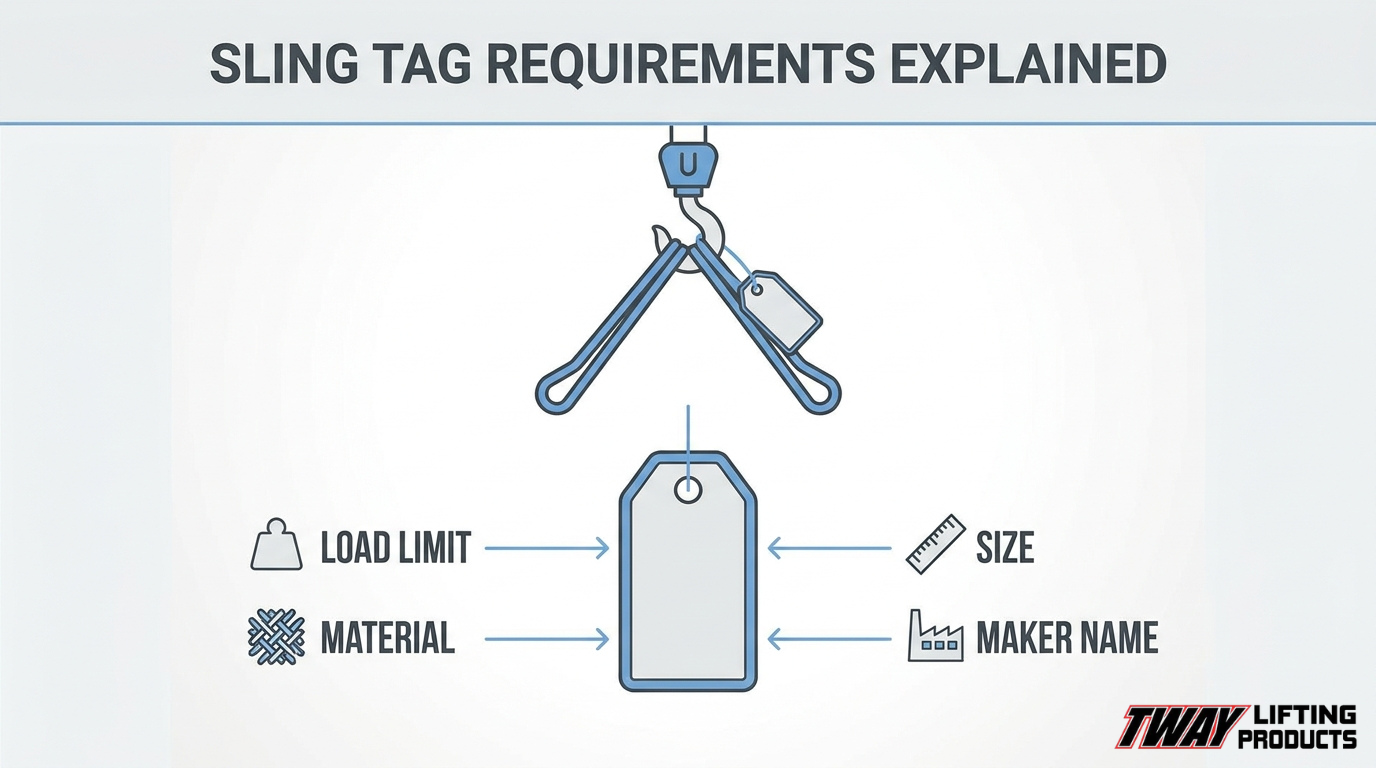
Industrial Sling Tag Requirements: What Info is Needed?

An industrial sling tag is a permanently affixed label on a lifting sling that identifies the sling’s safe working load, material, size, and manufacturer details required by federal safety standards. It serves as the primary compliance record on the sling itself, giving riggers immediate access to critical load data before and during every lift. This […]
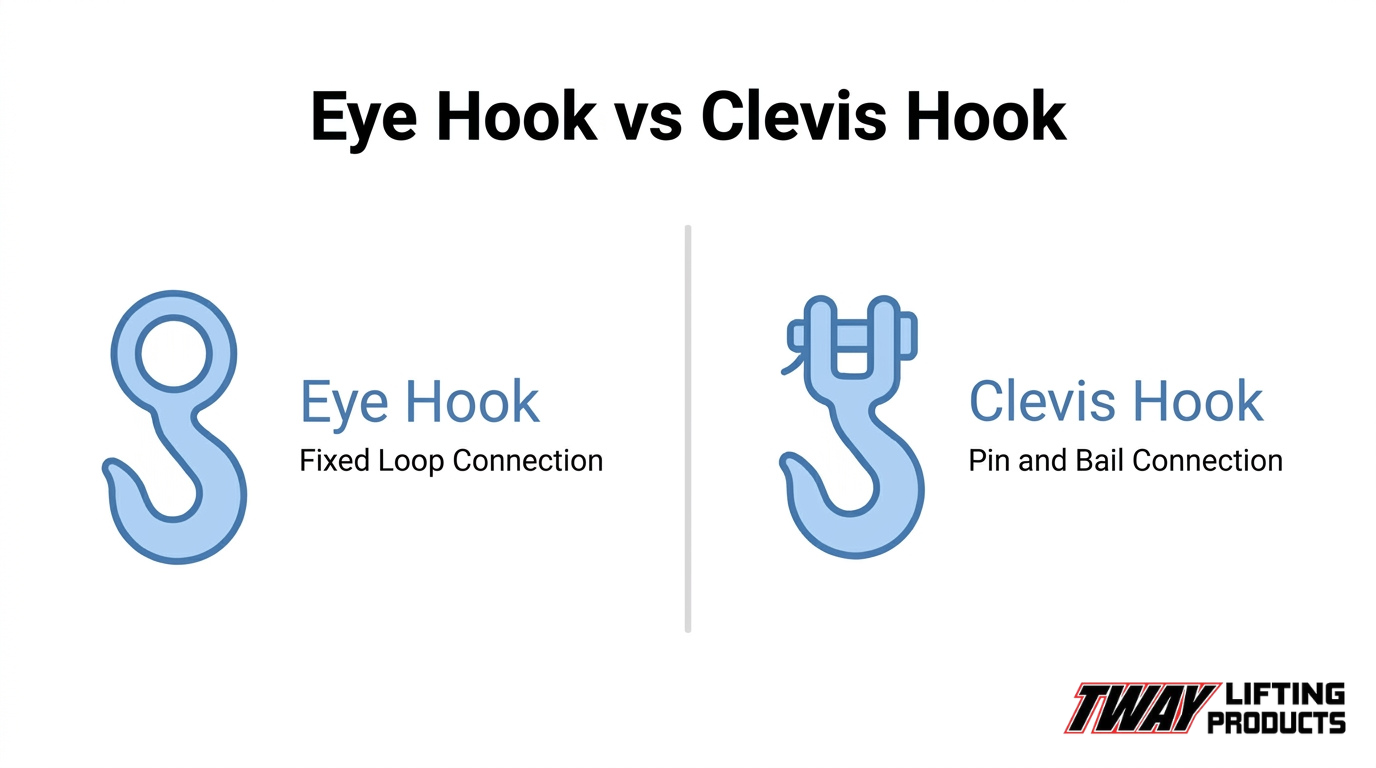
Eye Hooks vs Clevis Hooks: Lifting Applications Guide

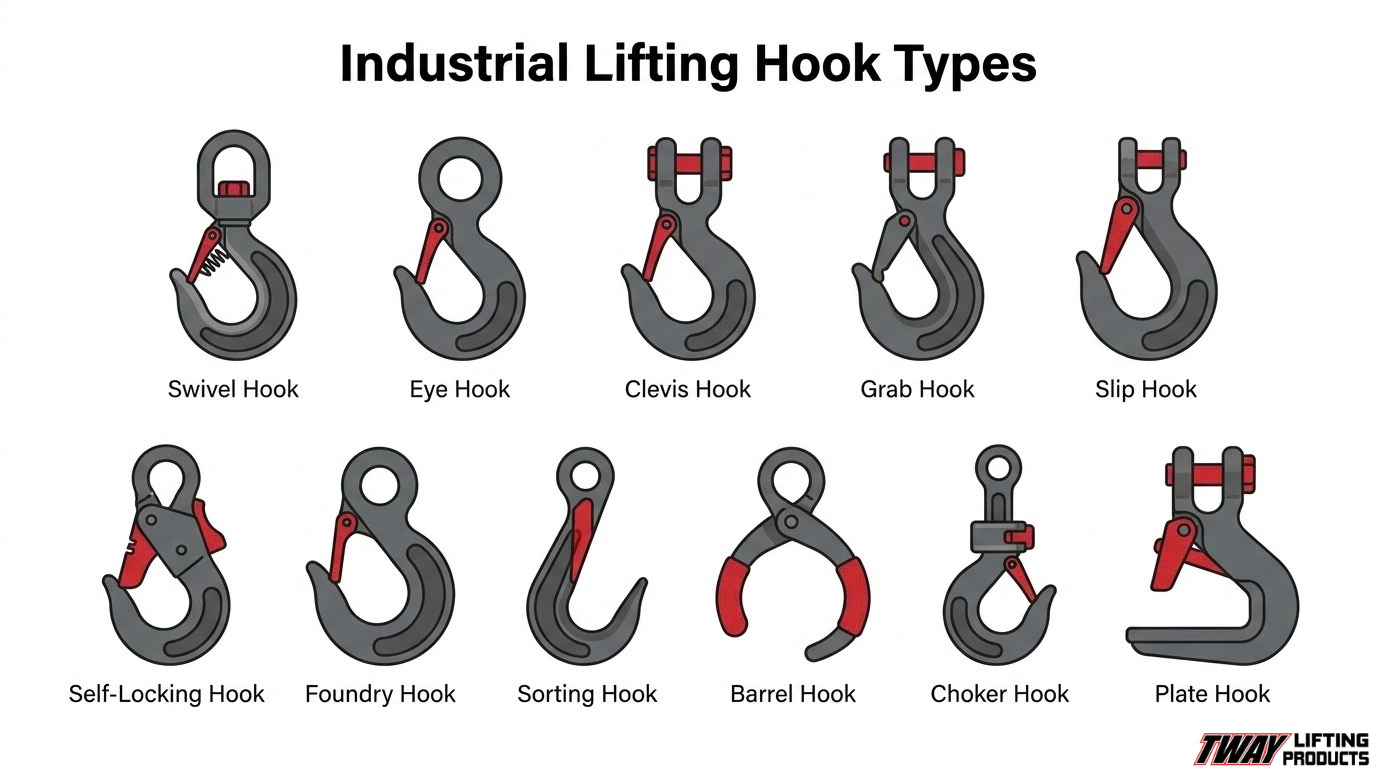
Eye hooks and clevis hooks are the two primary hook types used in industrial lifting and rigging, distinguished by how they connect to a rigging assembly. An eye hook uses a fixed closed loop at the shank end to accept shackles, master links, or wire rope fittings, while a clevis hook uses a forked U-bracket […]

Types of Industrial Hoists for Logistics Guide 2026

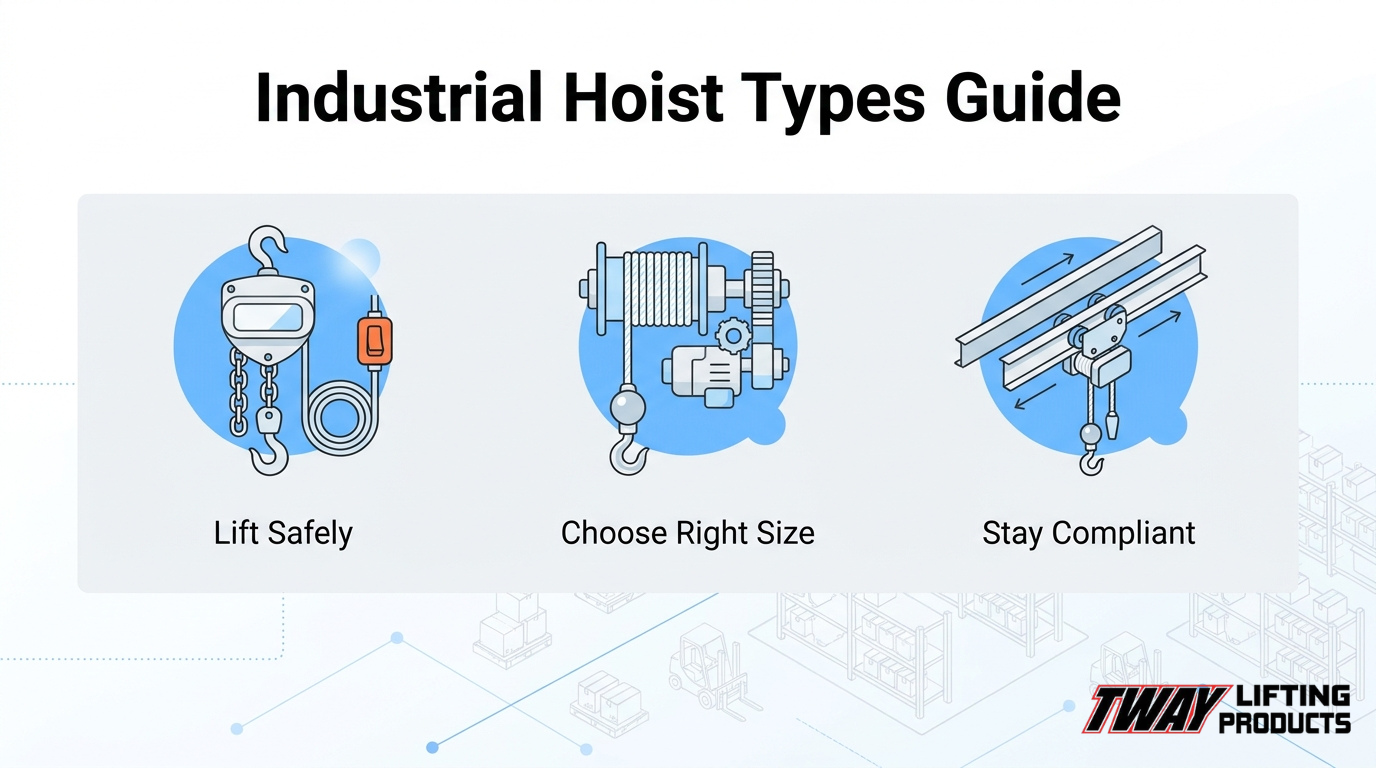
An industrial hoist is a mechanical device that exerts force to lift or lower freely suspended loads vertically, serving as a foundational tool for moving materials across warehouses, distribution centers, manufacturing floors, and job sites. This guide covers hoist types and how they work, capacity-based selection, industry-specific applications, key technical features, OSHA compliance requirements, hoist-versus-crane […]

What is a 3-Leg Chain Sling? Triple Leg Lifting Explained

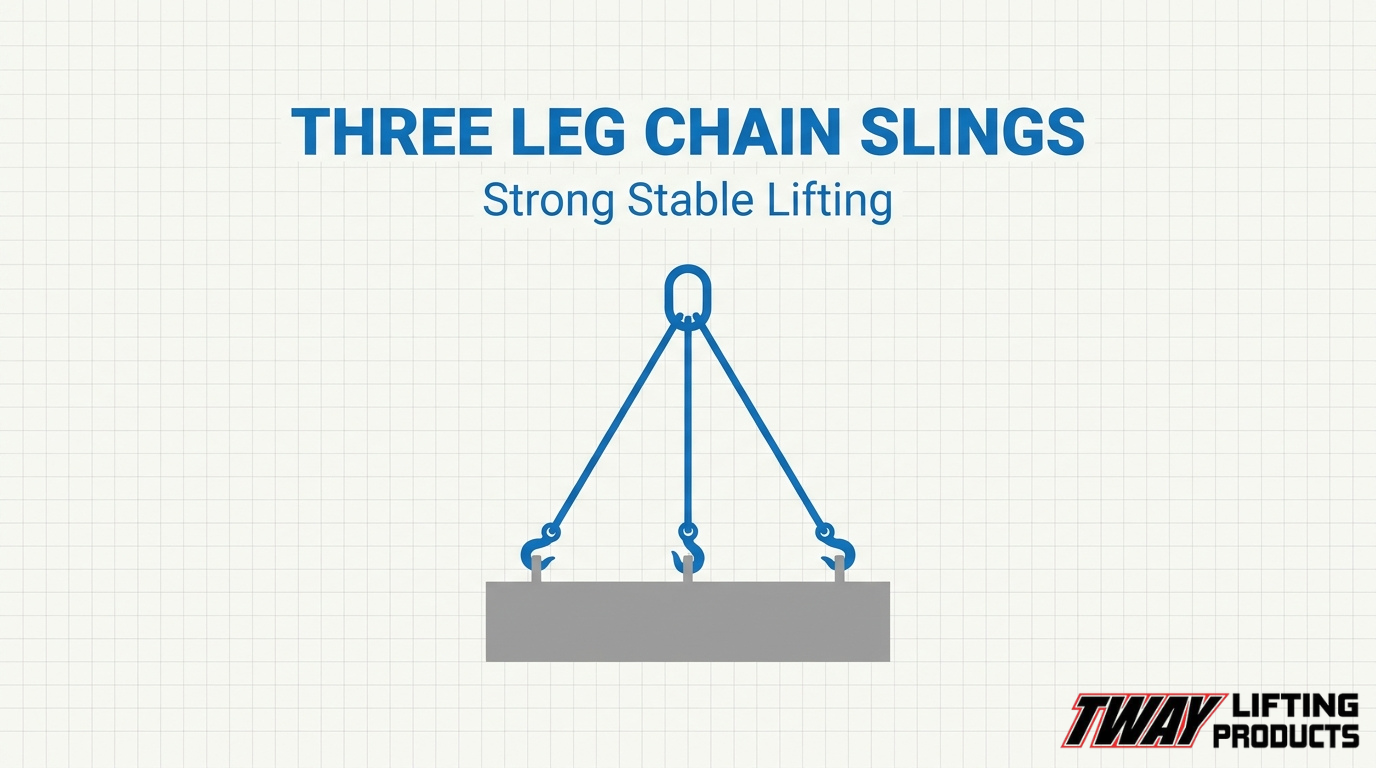
A 3-leg chain sling is a multi-point lifting assembly that connects three independent alloy steel chain legs to a single master link, distributing a lifted load across three attachment points simultaneously. It is classified as a bridle hitch configuration and is governed by standards including OSHA 29 CFR 1910.184 and ASME B30.9. This guide covers […]

How to Calculate Chain Sling Capacity & WLL | Step-by-Step

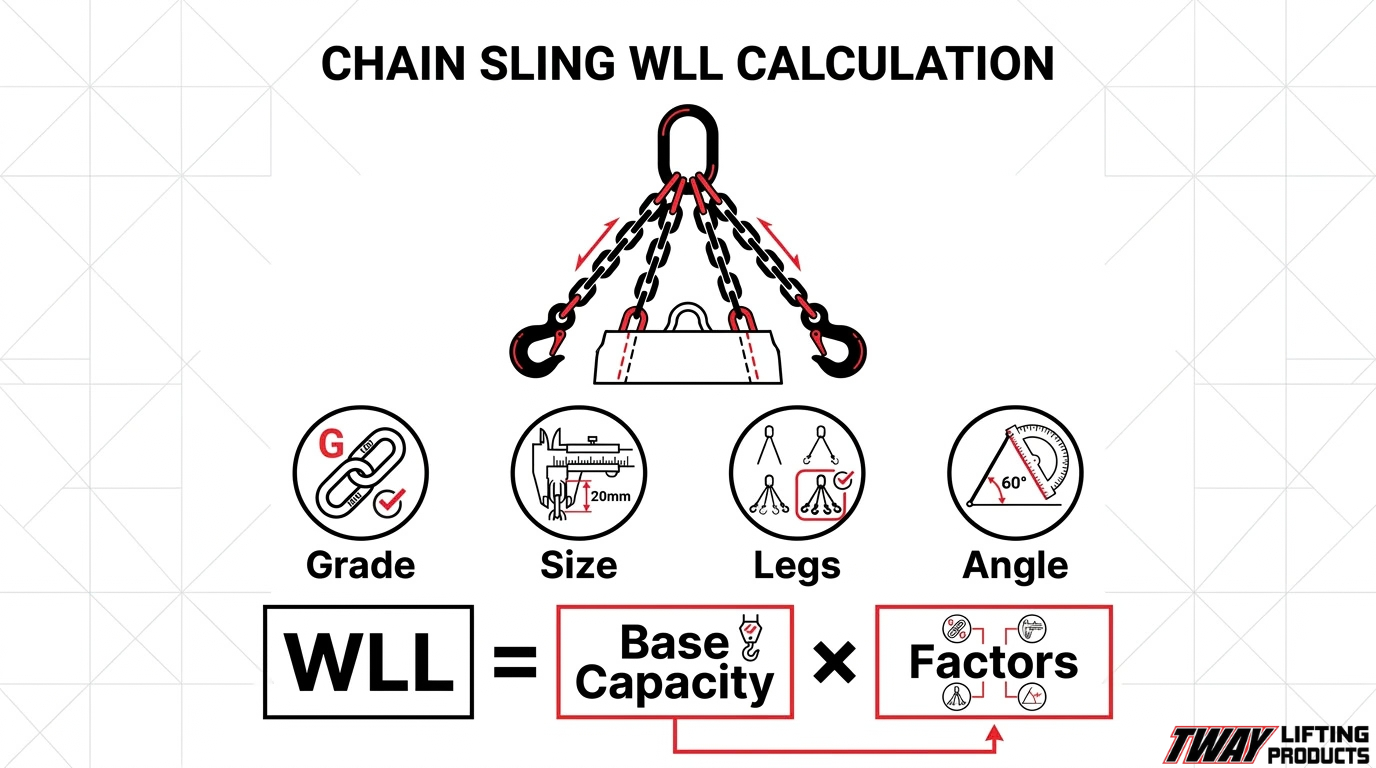
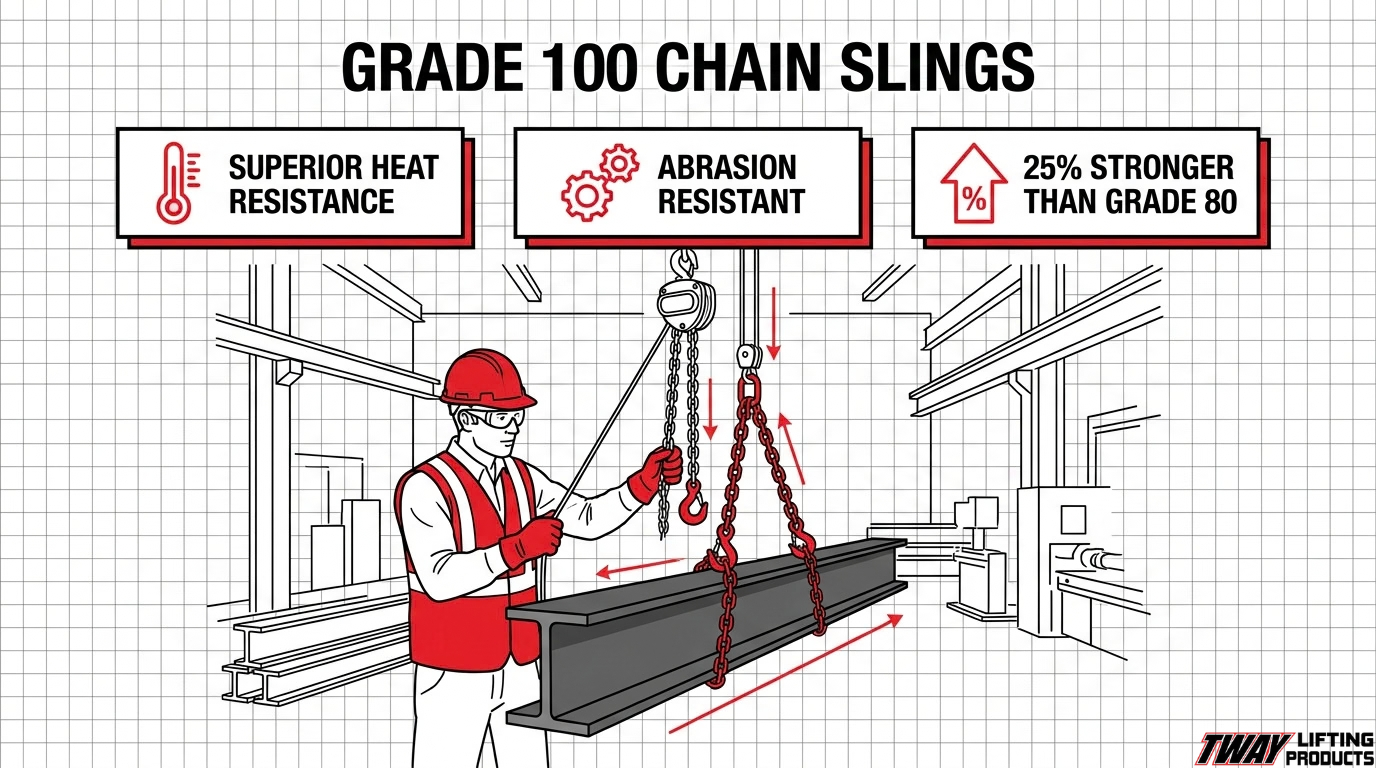
Chain sling working load limit (WLL) is the maximum load a sling may carry in a straight, direct-pull configuration. It must never be exceeded under any operating condition. This guide covers chain sling fundamentals, the step-by-step WLL calculation process for single- and multi-leg configurations, sling angle factors, chain grades, hitch types, governing standards, and common […]

Types of Hooks for Industrial Lifting | Guide

An industrial lifting hook is a forged metal connector that transfers load between a rigging assembly and a crane, hoist, or chain sling. Hook selection determines whether a lift succeeds safely or results in equipment failure, dropped loads, or injury. This guide covers the full range of hook types and their applications, safety latch classifications, […]

Polyester Sling vs Wire Rope Sling: Detailed Comparison

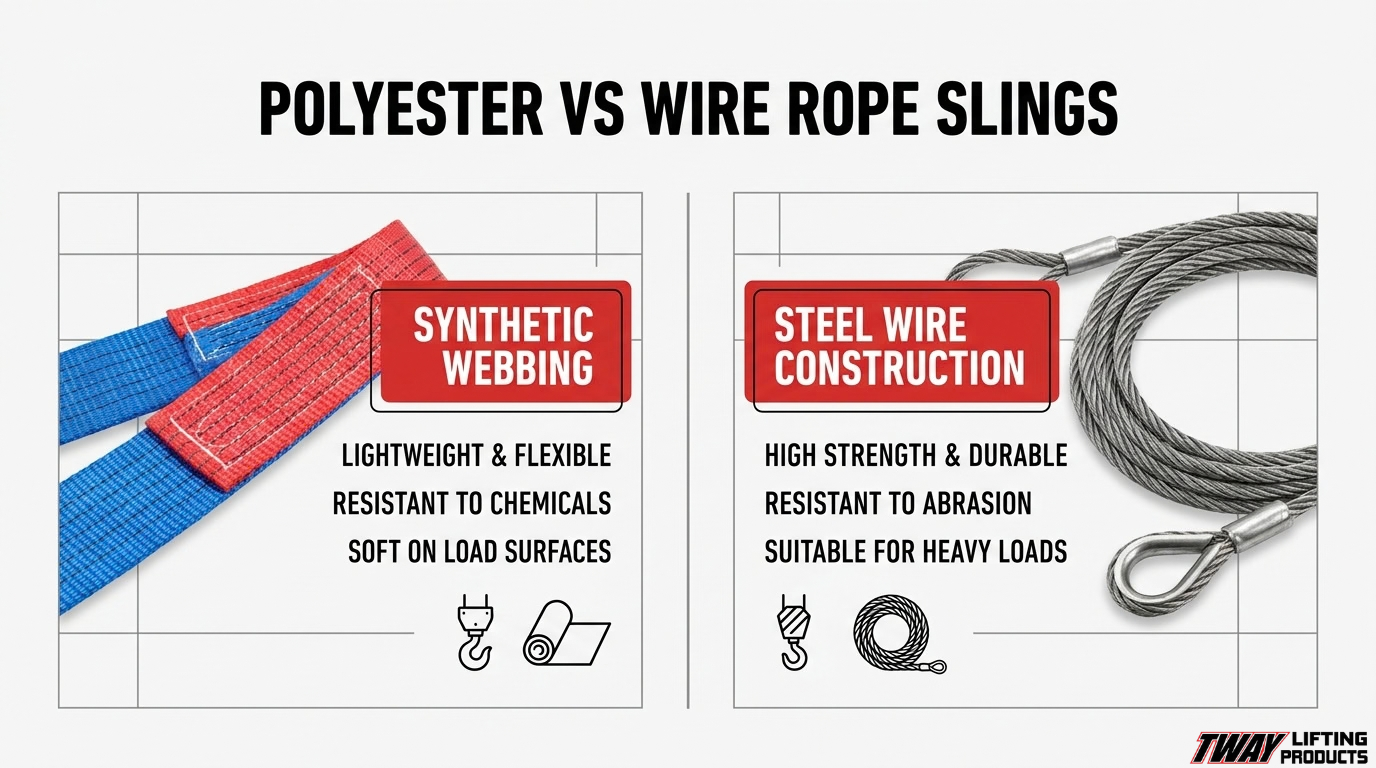
A polyester sling is a synthetic lifting device constructed from polyester fiber yarns woven into flat web, round, or endless loop configurations, used to connect loads to hoisting equipment during rigging operations. A wire rope sling is a steel-based lifting assembly built from helically wound wire strands around a central core, engineered for heavy-duty industrial, […]

On-Site Lift Supervision Services

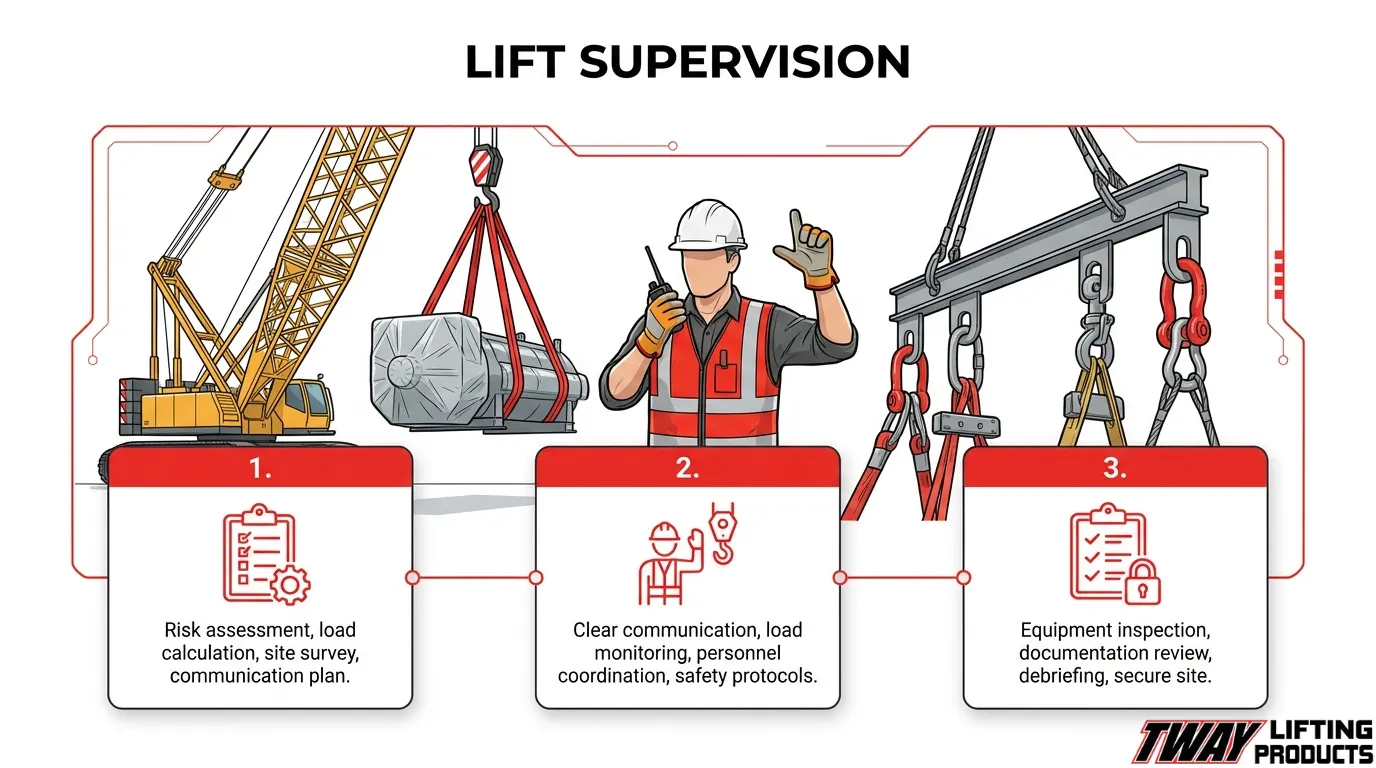
On-site lift supervision is a structured safety and compliance function where a qualified lift director manages all phases of a crane operation, from pre-lift planning through post-lift closeout, while maintaining physical presence and stop-work authority throughout. This guide covers what lift supervision actually involves on site, who is legally required to have it, the federal […]

Extending Your Spreader Bar Rental Period

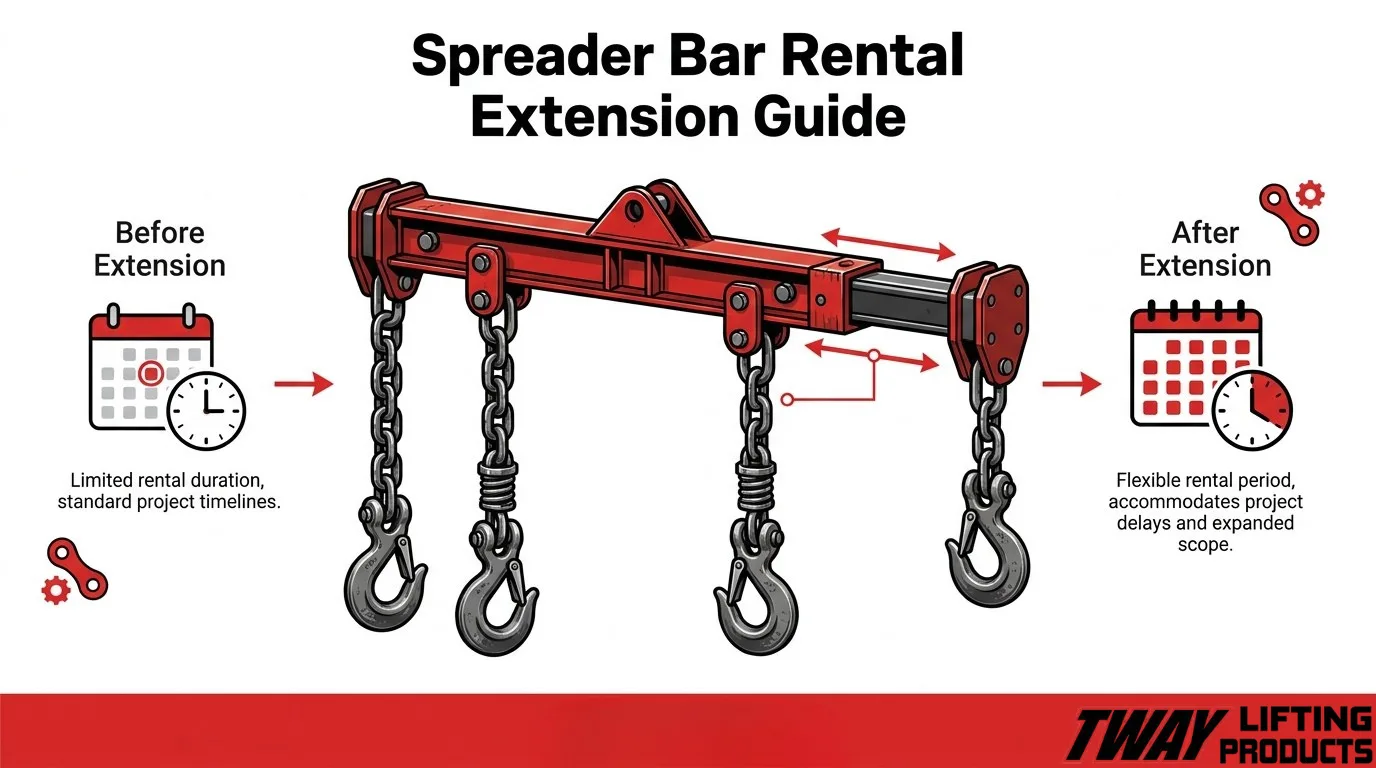
A spreader bar rental extension is a formal agreement between a renter and a rental provider to continue using a spreader bar beyond the original contract end date. Rather than returning the equipment and re-renting, an extension modifies the existing rental term under agreed-upon conditions and rates. This guide covers why extensions become necessary, how […]