


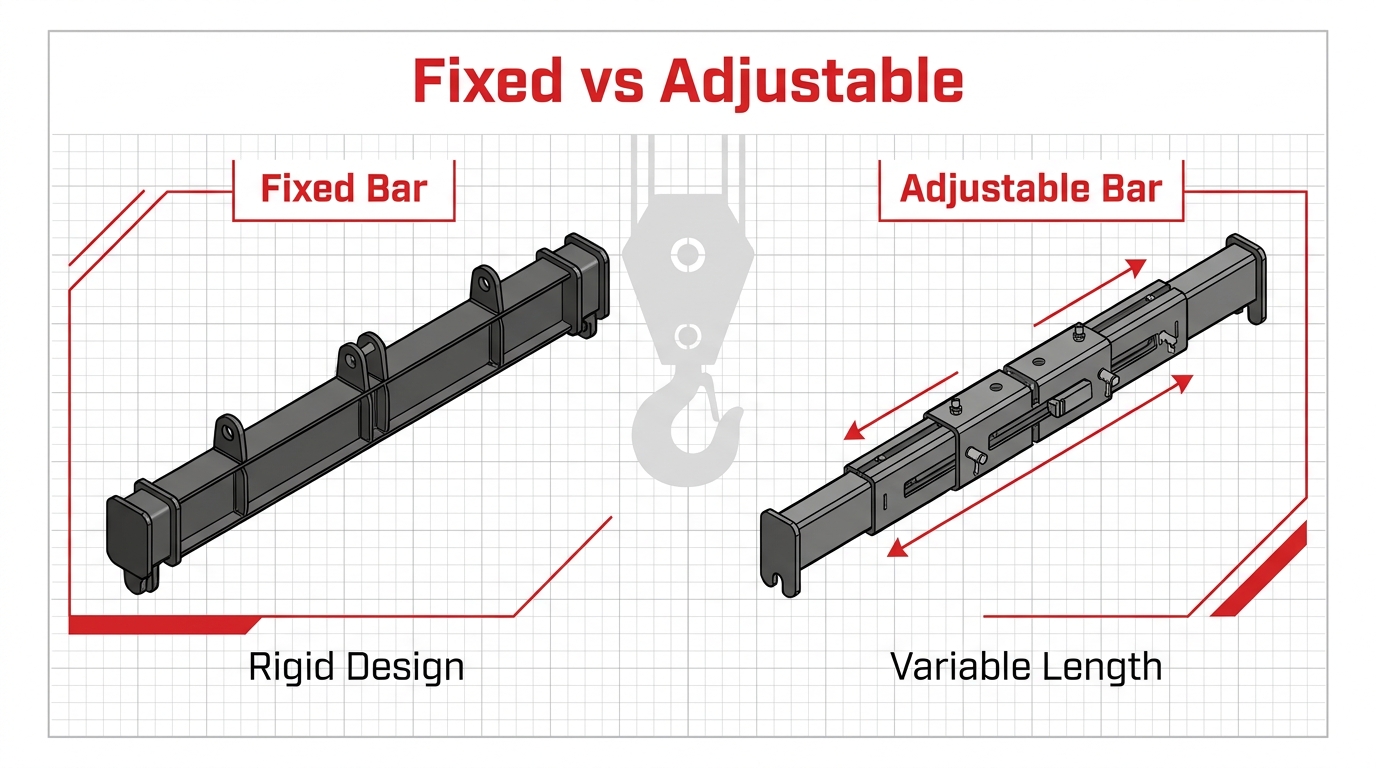
A spreader bar is a rigid structural member that holds lifting slings apart at a set distance, converting vertical lifting loads into compressive forces in the bar and tensile forces in the slings. Choosing between a fixed and adjustable model for your rental determines how accurately you can control load geometry, how many lift configurations […]
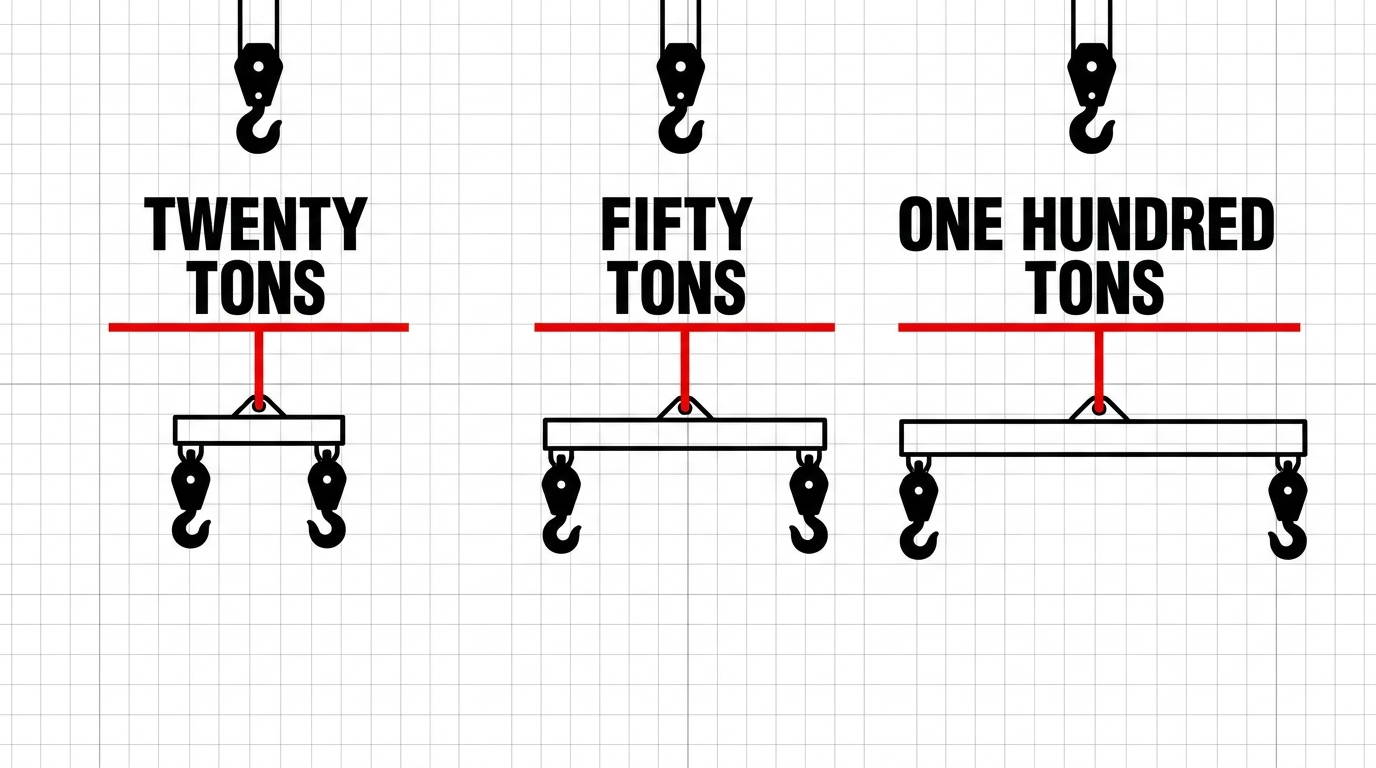
20 Ton vs 50 Ton vs 100 Ton Spreader Bar Rental
A spreader bar is a rigid structural member used in rigging to horizontally separate lifting slings, preventing them from converging inward and compressing the load. By keeping sling legs spread apart, the bar transfers compressive forces along its length while the slings remain in tension, protecting load geometry during the hoist. This guide covers how […]
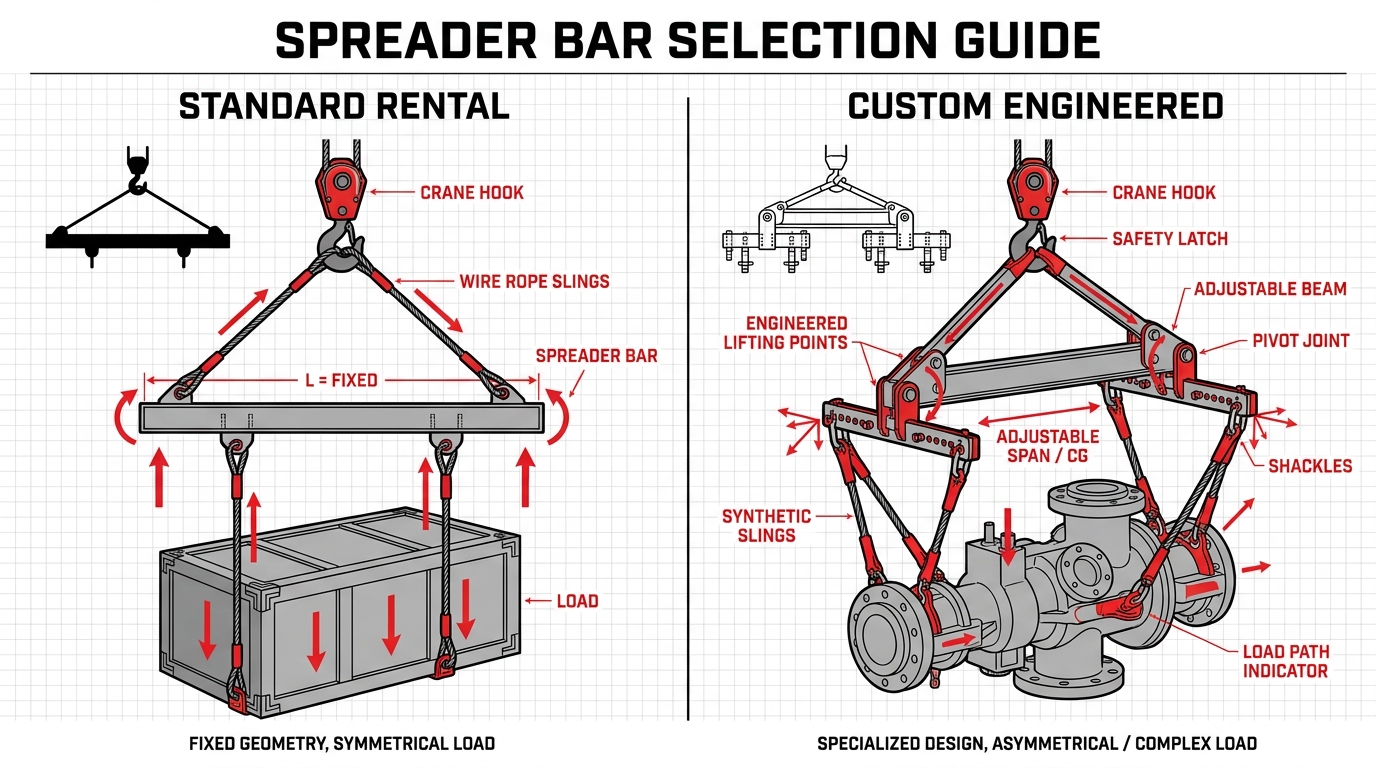
Custom Engineered vs Standard Rental Spreader Bars
A spreader bar is a below-the-hook lifting device that keeps slings at a fixed distance apart, distributing load across multiple pick points while the bar absorbs compressive forces rather than bending forces. Choosing between a custom engineered bar and a standard rental unit is one of the most consequential decisions in lift planning, and the […]
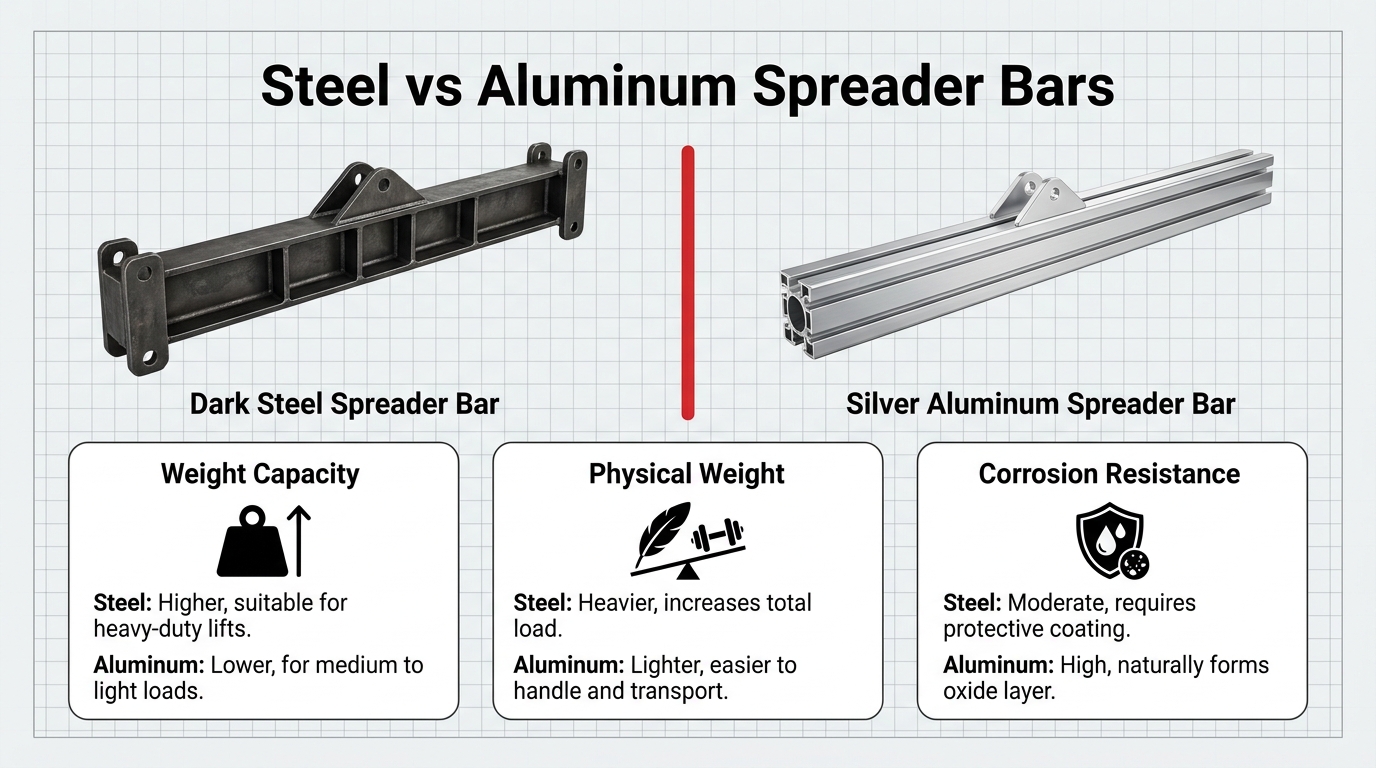
Steel vs Aluminum Spreader Bars for Rent
A spreader bar is an industrial lifting device that keeps sling legs apart during a lift, carrying the load through axial compression to resist inward forces on the rigging. Choosing between steel and aluminum for a rental comes down to the specific demands of your lift: load weight, site conditions, handling frequency, and compliance requirements. […]
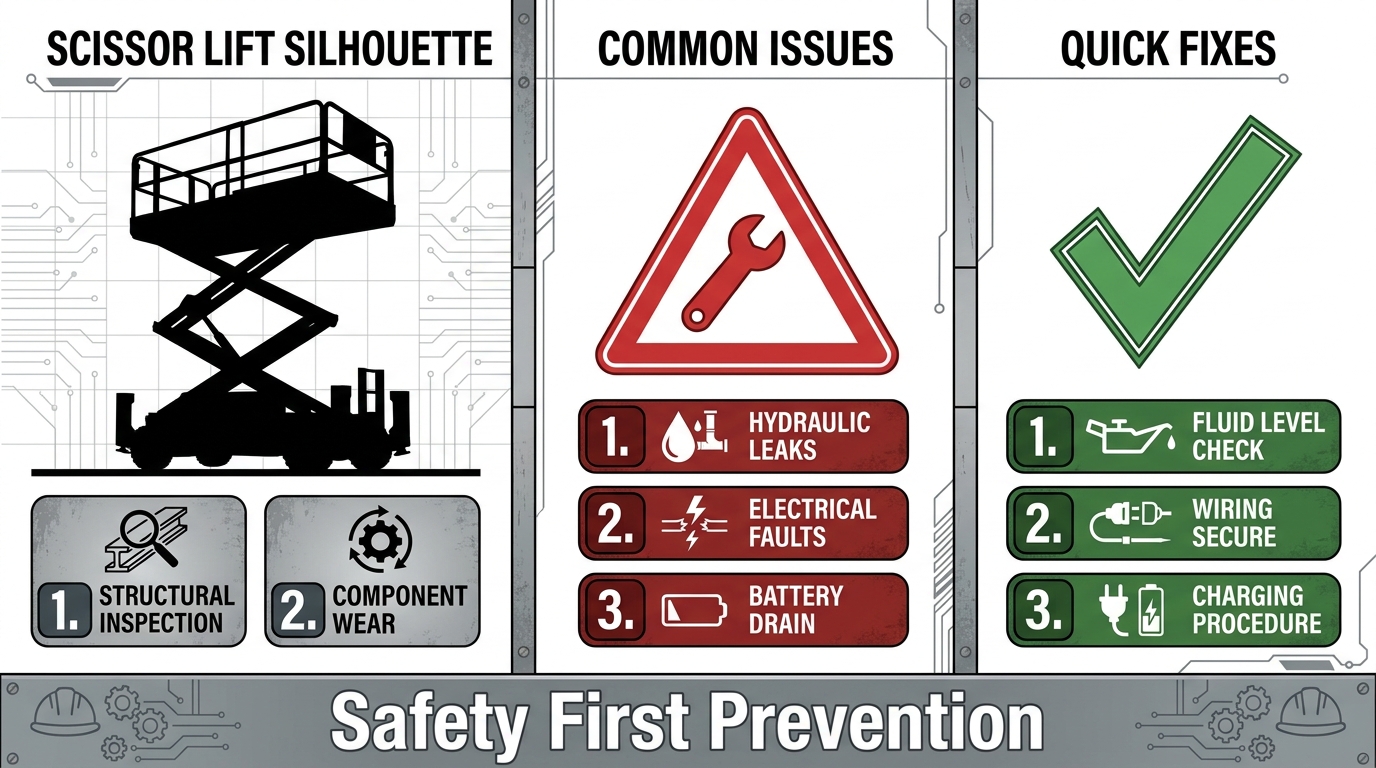
Troubleshooting Common Rental Lift Issues
A rental lift malfunction is any condition that prevents the machine from operating safely or within its designed parameters, ranging from a dead battery that stops the unit from powering on to a hydraulic leak that causes an elevated platform to drift. Understanding these failures, and knowing how to respond to each one, is essential […]
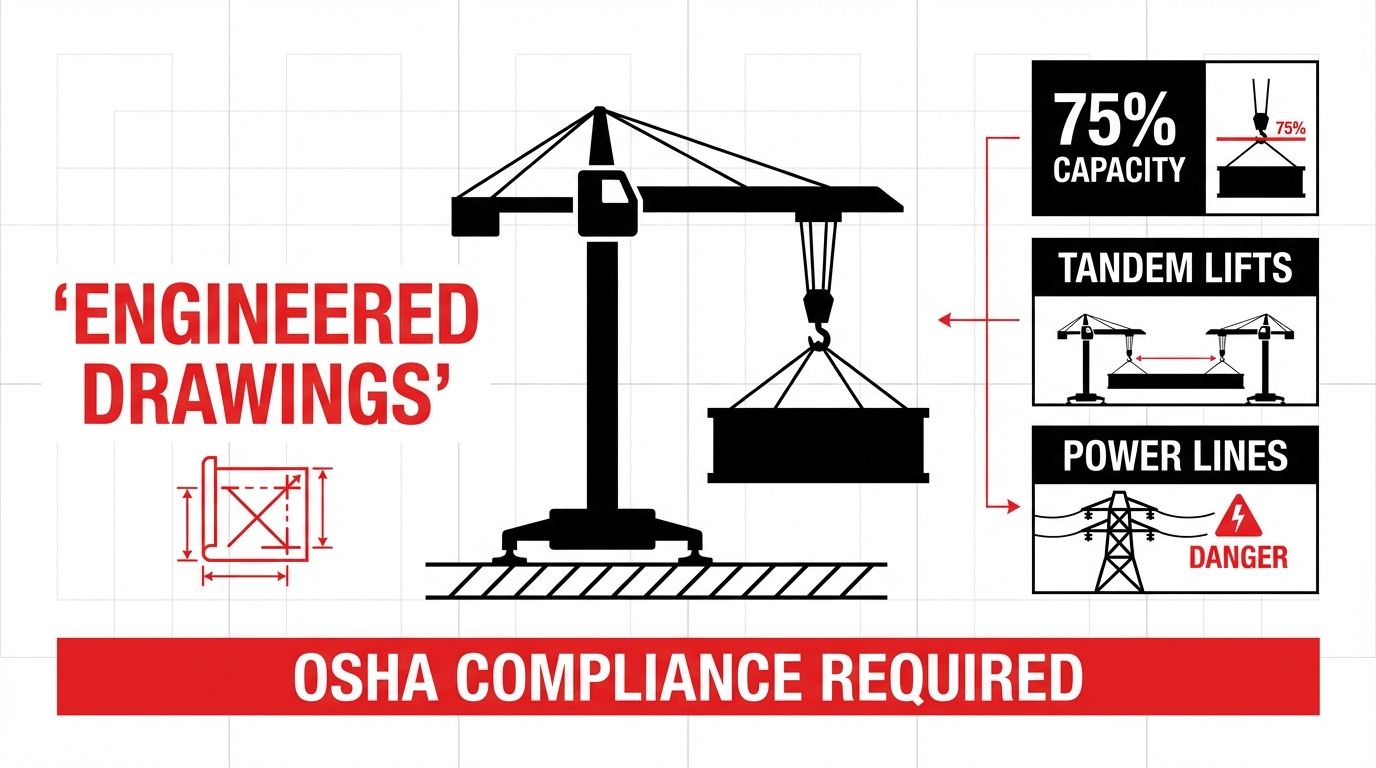
Do You Need Engineered Drawings for Rental Lifts?
Engineered drawings for rental lifts are professionally prepared technical documents that specify crane configuration, load geometry, rigging arrangements, and ground-bearing pressures for high-risk or complex lifting operations. Not every rental lift requires them, but specific scenarios make them mandatory under OSHA regulations and industry standards. This guide covers lift classification and regulatory triggers, drawing components […]
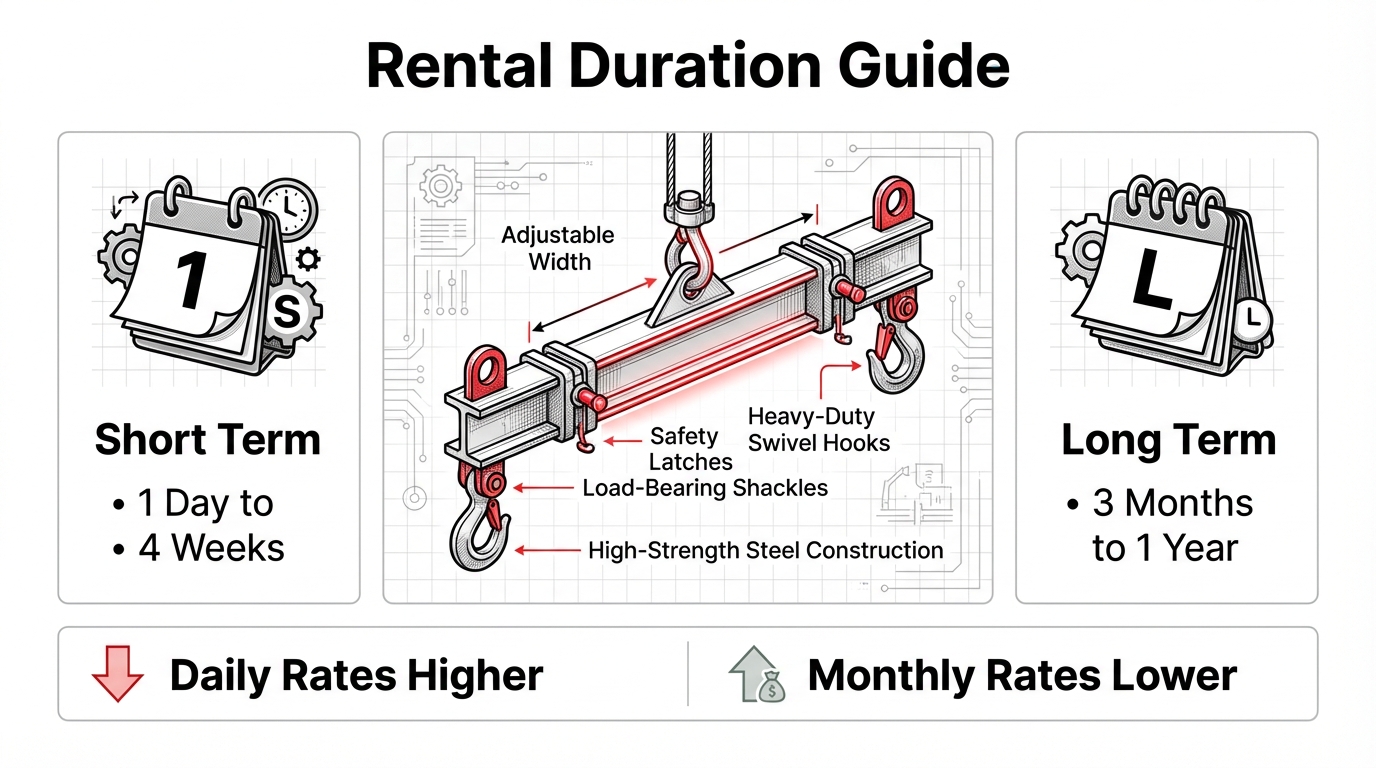
Short-Term vs Long-Term Spreader Bar Rentals
A spreader bar rental is a temporary lease of a below-the-hook lifting device that stabilizes and distributes loads during overhead crane operations. Choosing between short-term and long-term rental structures directly affects project cost, contract obligations, and compliance responsibilities. This guide covers spreader bar rental fundamentals, short-term and long-term rental structures, cost comparisons and ownership thresholds, […]
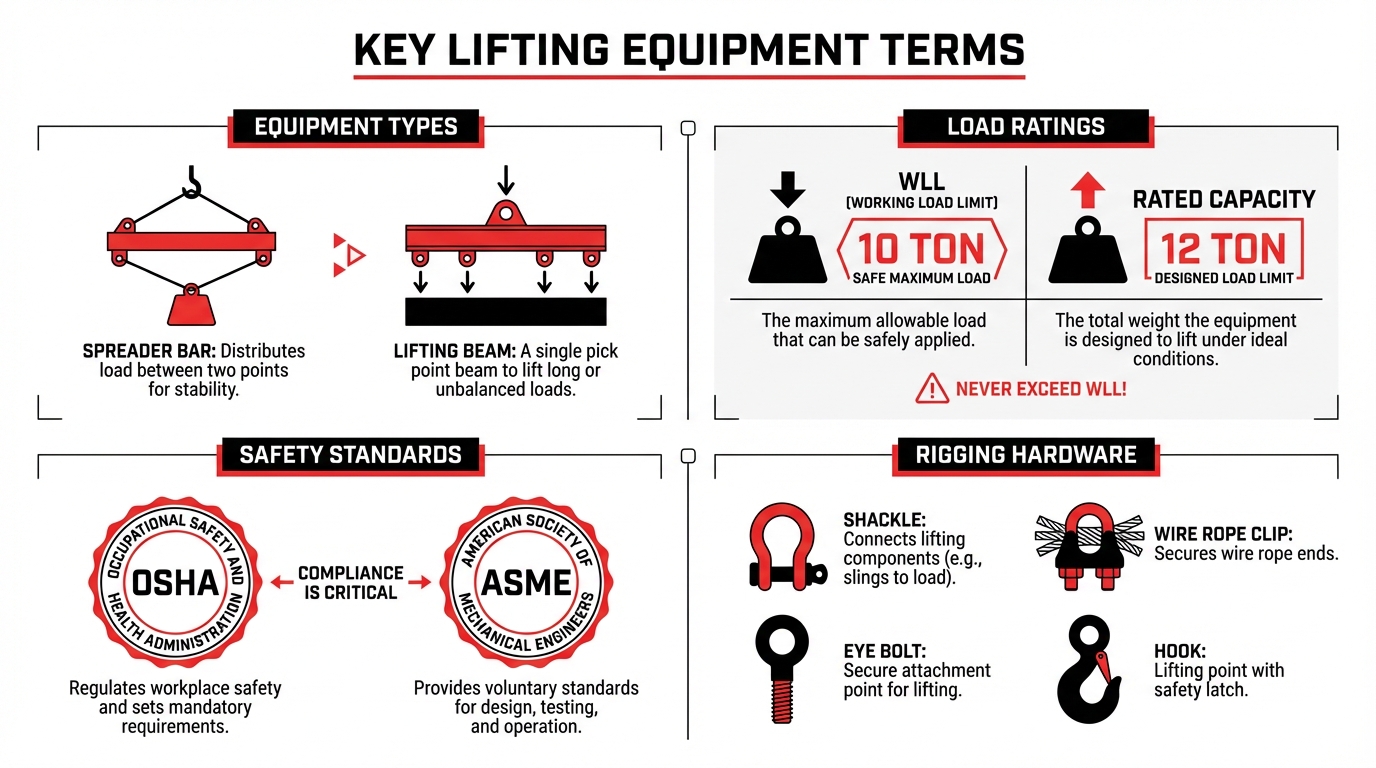
Key Terms in Spreader Bar and Lifting Beam Rental
Key terms in spreader bar and lifting beam rental are the technical definitions, load ratings, regulatory standards, and rigging concepts that govern how below-the-hook lifting devices are specified, inspected, and operated. Knowing these terms is essential for safe equipment selection and full regulatory compliance on any crane lift project. This guide covers equipment types and […]
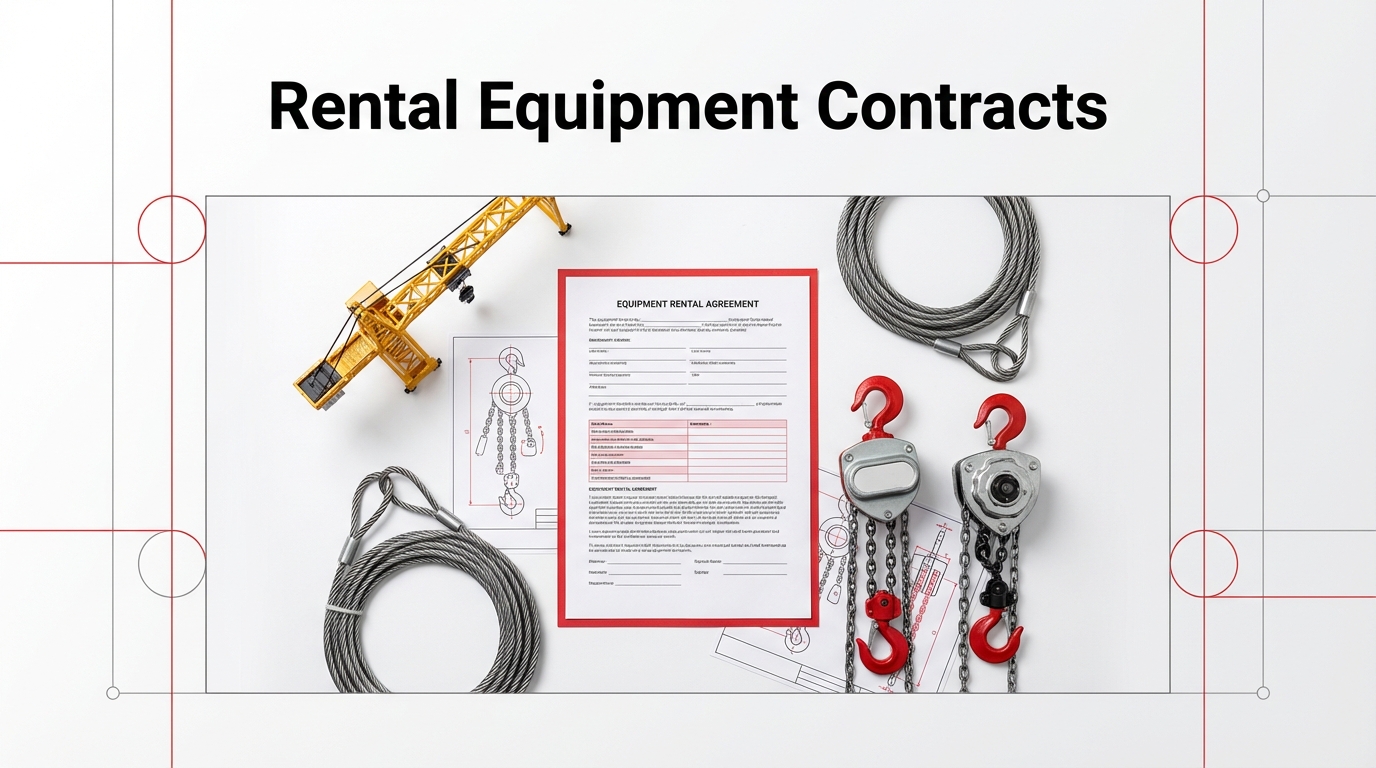
Understanding Rental Agreements for Lifting Equipment
A rental agreement for lifting equipment is a legally binding contract that defines the machinery being rented, outlines each party’s responsibilities, and establishes the financial and legal terms governing the entire rental period. This guide covers equipment types and contract terms, rental pricing and cost structures, OSHA compliance and safety obligations, insurance and liability requirements, […]
OSHA & ASME Considerations for Rental Equipment
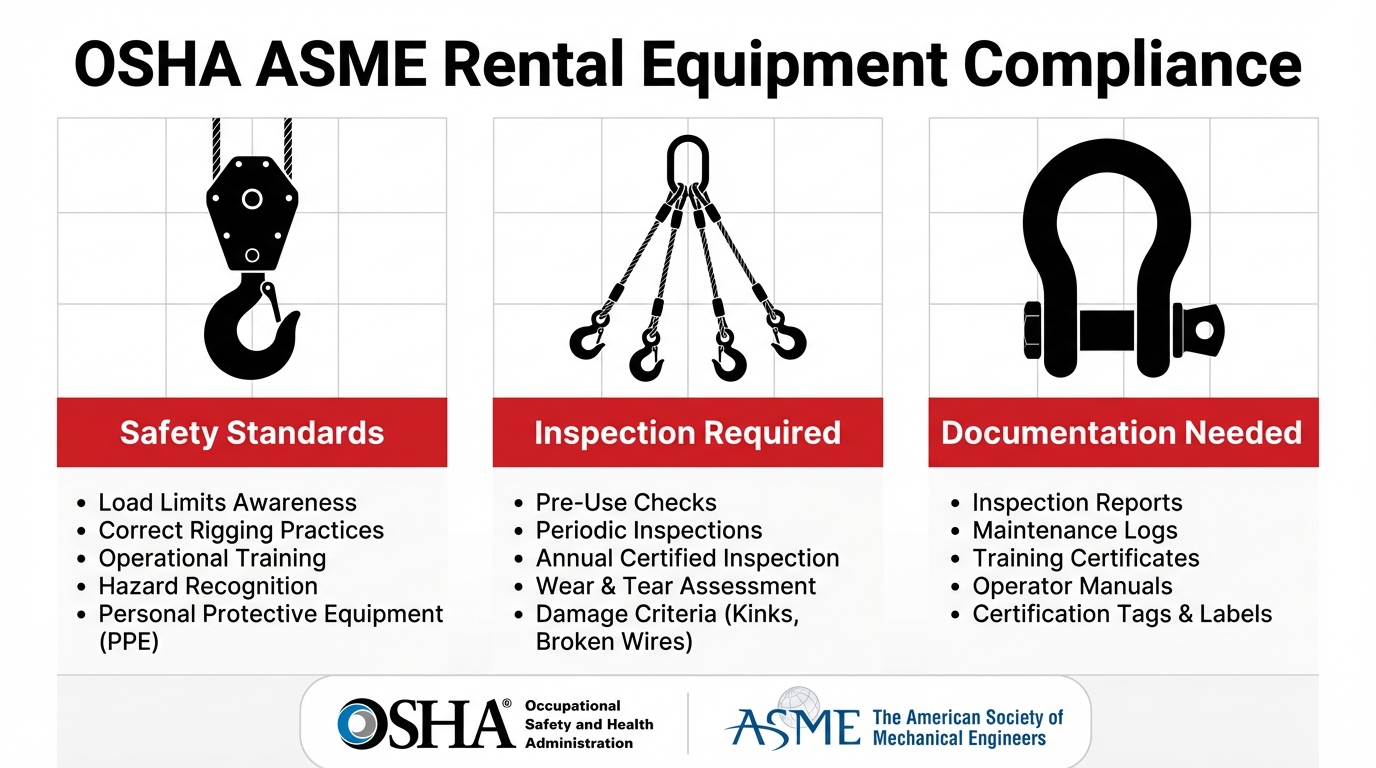
OSHA and ASME considerations for rental equipment are the regulatory and engineering standards that govern safe use, inspection, and maintenance of lifting gear regardless of ownership status. OSHA’s General Duty Clause and specific standards like 1926 Subpart CC apply to rented cranes, slings, and hoists exactly as they apply to owned equipment, while the ASME […]