





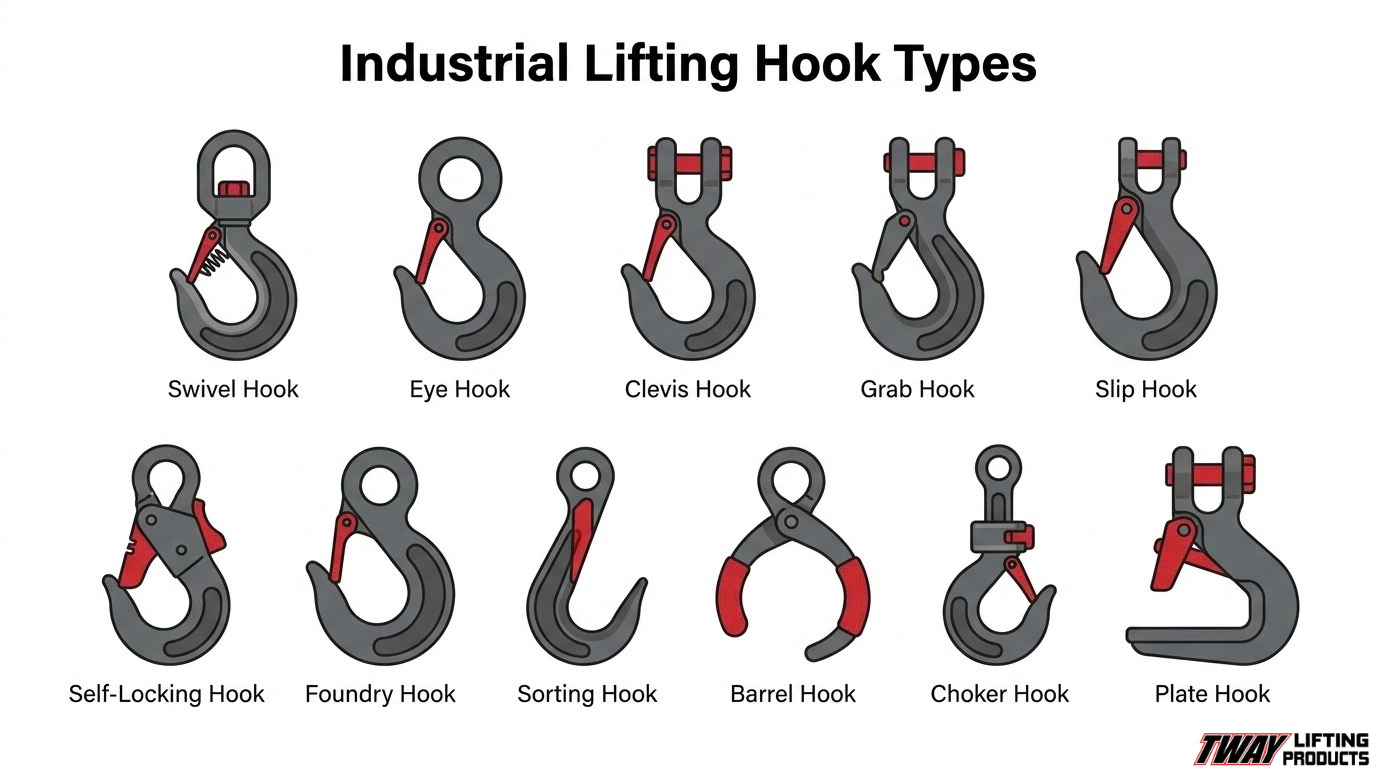
An industrial lifting hook is a forged metal connector that transfers load between a rigging assembly and a crane, hoist, or chain sling. Hook selection determines whether a lift succeeds safely or results in equipment failure, dropped loads, or injury. This guide covers the full range of hook types and their applications, safety latch classifications, […]
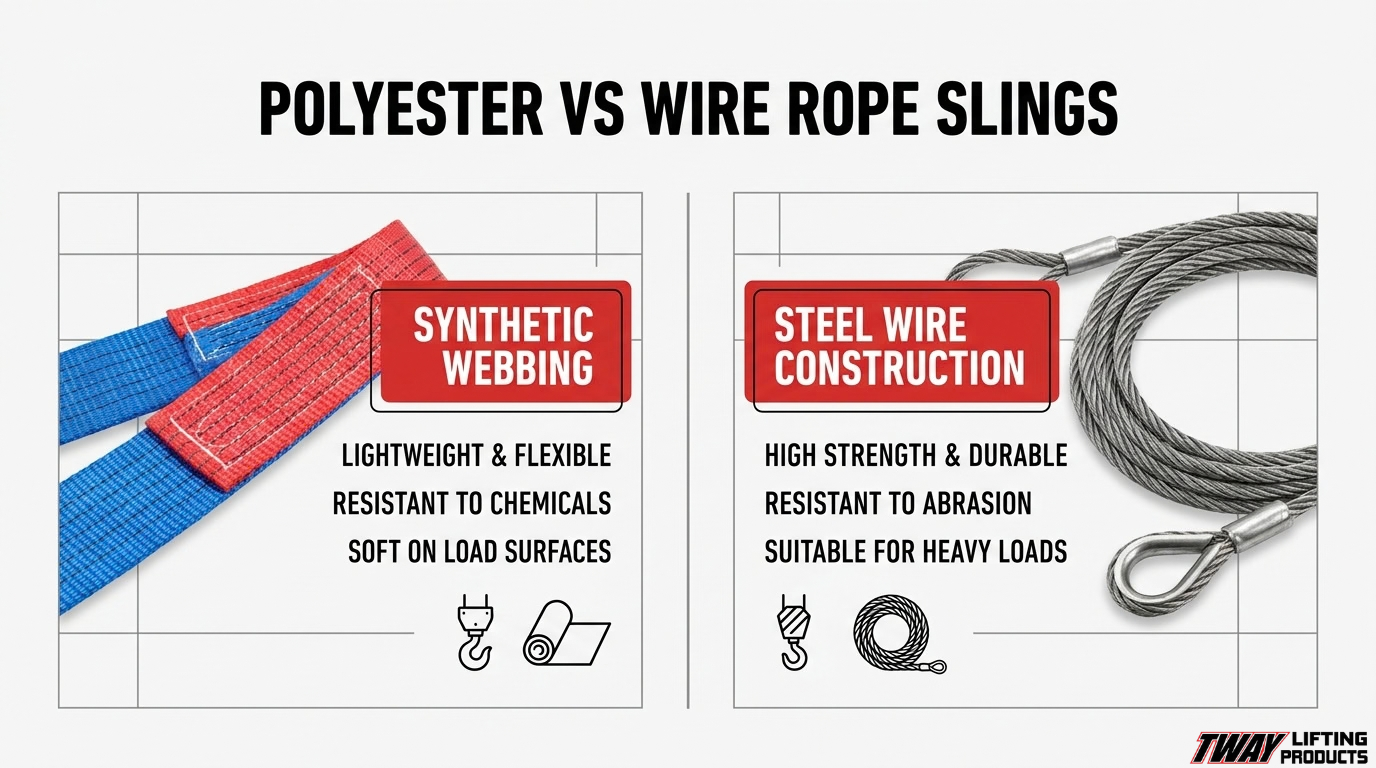
Polyester Sling vs Wire Rope Sling: Detailed Comparison
A polyester sling is a synthetic lifting device constructed from polyester fiber yarns woven into flat web, round, or endless loop configurations, used to connect loads to hoisting equipment during rigging operations. A wire rope sling is a steel-based lifting assembly built from helically wound wire strands around a central core, engineered for heavy-duty industrial, […]
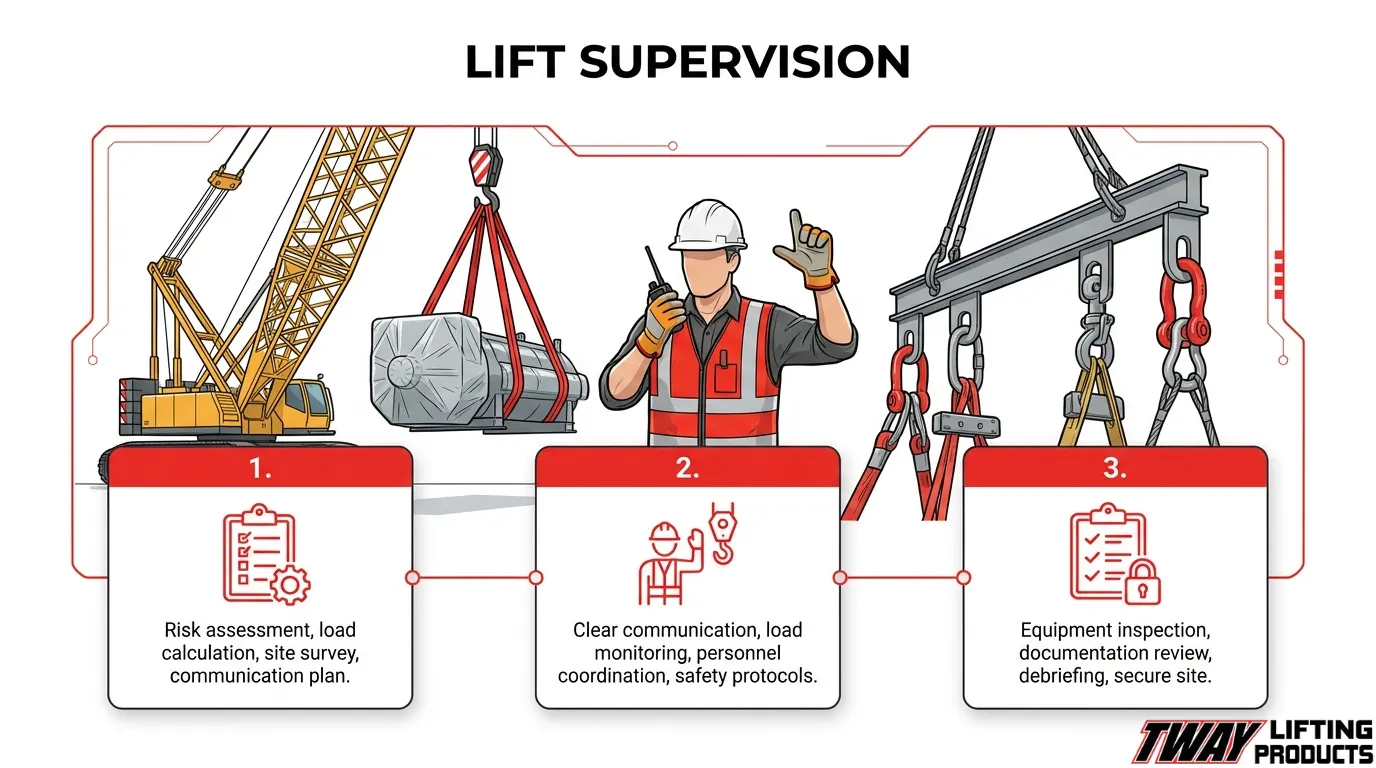
On-Site Lift Supervision Services
On-site lift supervision is a structured safety and compliance function where a qualified lift director manages all phases of a crane operation, from pre-lift planning through post-lift closeout, while maintaining physical presence and stop-work authority throughout. This guide covers what lift supervision actually involves on site, who is legally required to have it, the federal […]
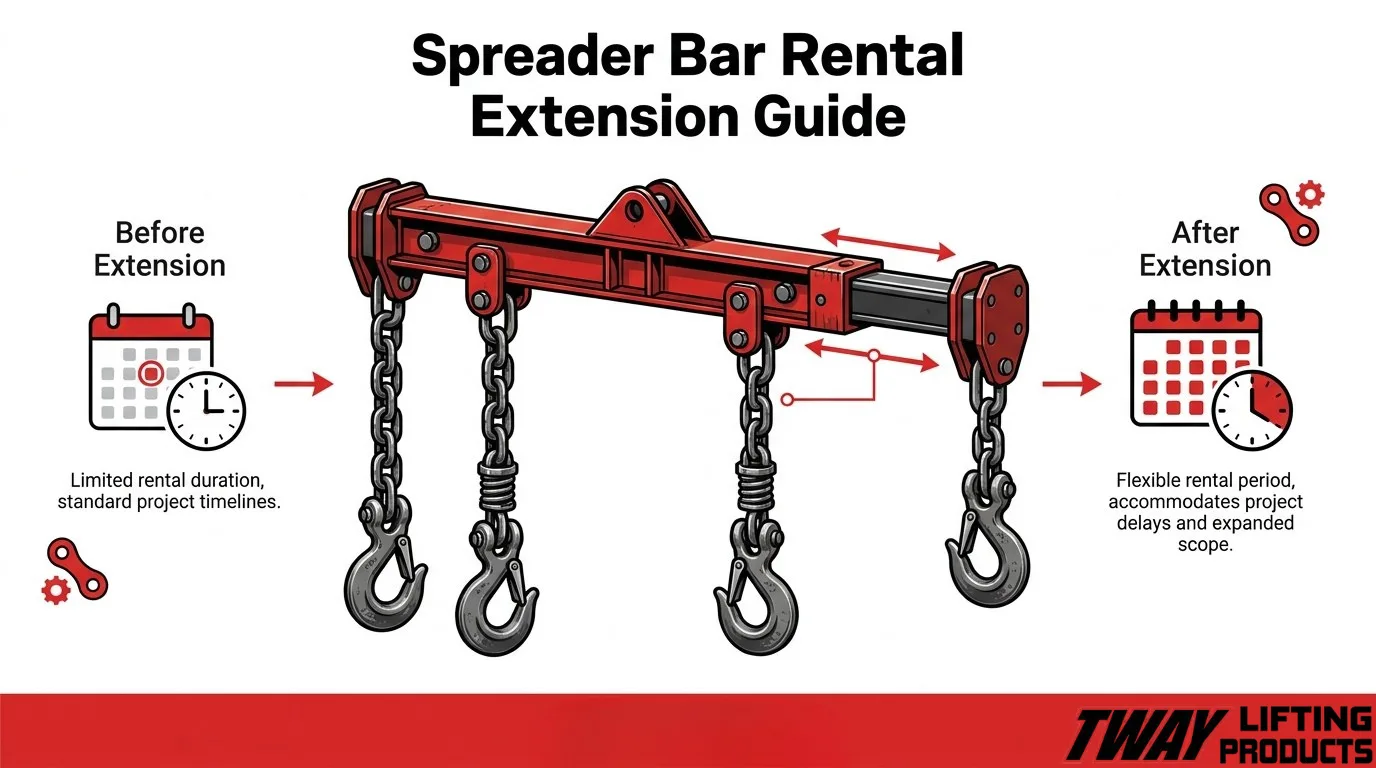
Extending Your Spreader Bar Rental Period
A spreader bar rental extension is a formal agreement between a renter and a rental provider to continue using a spreader bar beyond the original contract end date. Rather than returning the equipment and re-renting, an extension modifies the existing rental term under agreed-upon conditions and rates. This guide covers why extensions become necessary, how […]
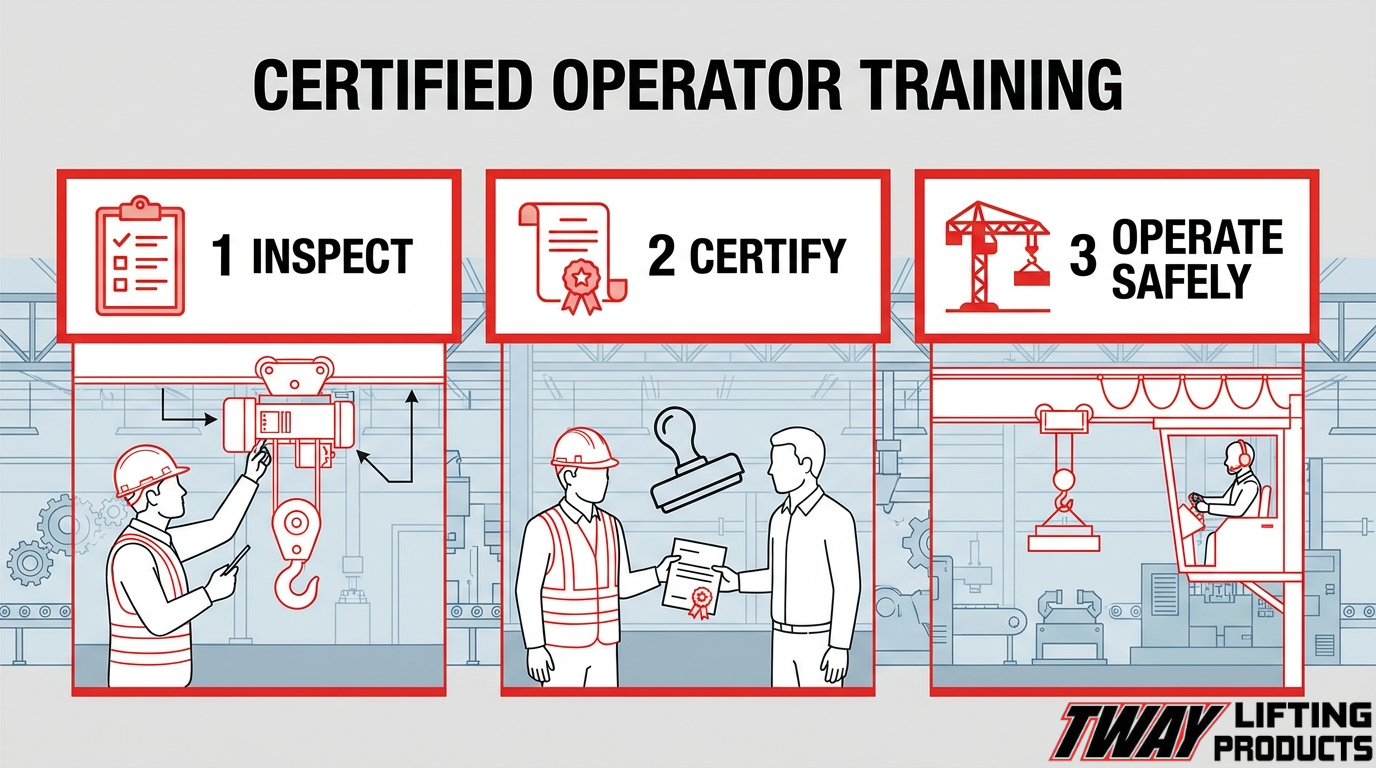
Operator Training for Rental Lifting Equipment
Operator training for rental lifting equipment is the process of ensuring every worker who operates hoists, slings, cranes, and fall protection gear is trained, evaluated, and certified before use, regardless of whether that equipment is owned or rented. This guide covers the legal framework behind training requirements, the equipment types and core competencies involved, training […]
What Happens If Rental Equipment Is Damaged?
When rental equipment is damaged, the renter typically bears default financial responsibility under the rental contract, though liability can shift based on equipment condition, contract terms, and how the damage occurred. This guide covers who is actually liable when damage happens, what rental contracts require, how damage costs are calculated, what insurance actually covers, and […]
Storing a Rented Spreader Bar On Site
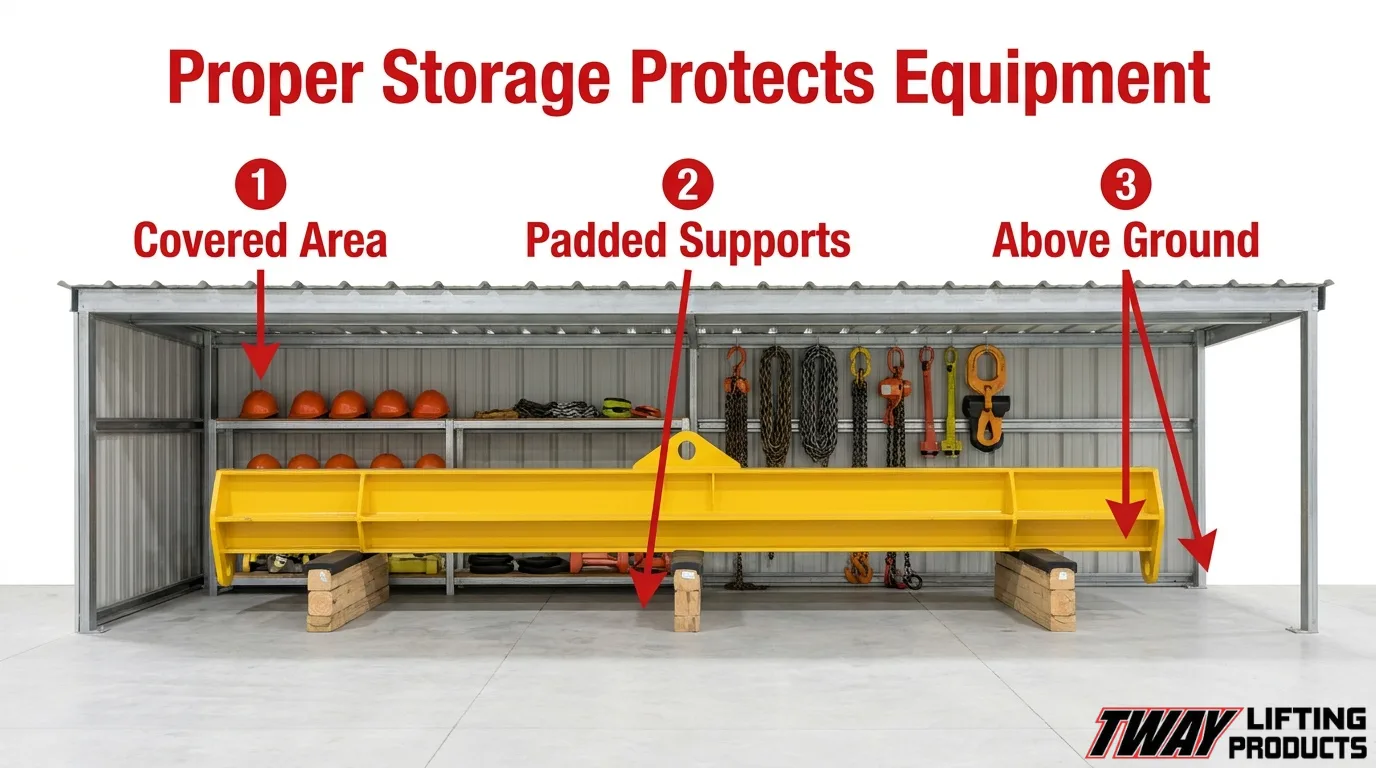
A spreader bar is a beam or bar used to hold apart two or more lifting slings that suspend a load with multiple attachment points, preventing the sling convergence that would otherwise crush or deform sensitive cargo. Because the bar carries the full applied load in compression, how it is stored between lifts directly affects […]
2-Point vs 4-Point Lifting Configurations for Rent
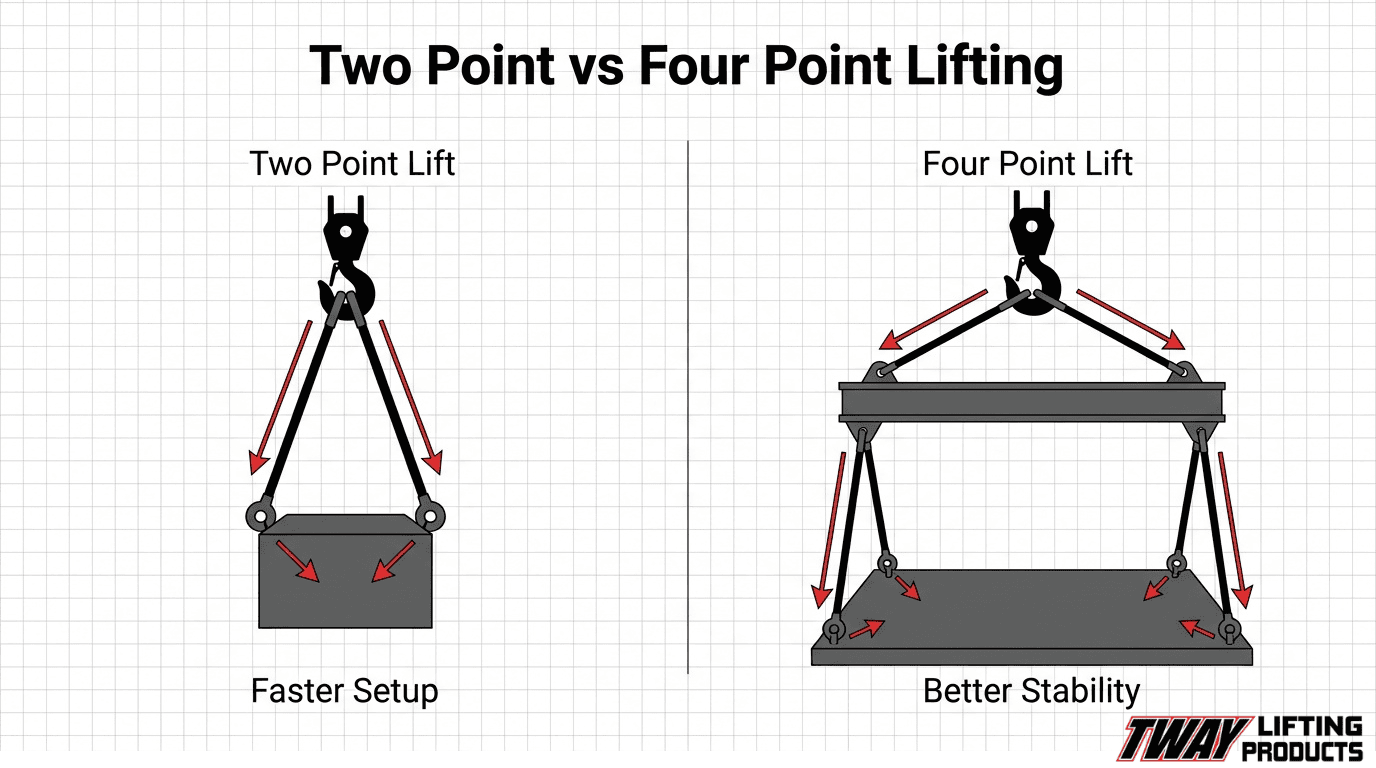
A lifting configuration is the specific arrangement of slings, hardware, and attachment points used to connect a load to a crane or hoist for a controlled lift. The two most common configurations are 2-point and 4-point setups, each suited to different load types, weight distributions, and jobsite conditions. This guide covers how each configuration works […]
Renting Slings & Shackles with Spreader Bars
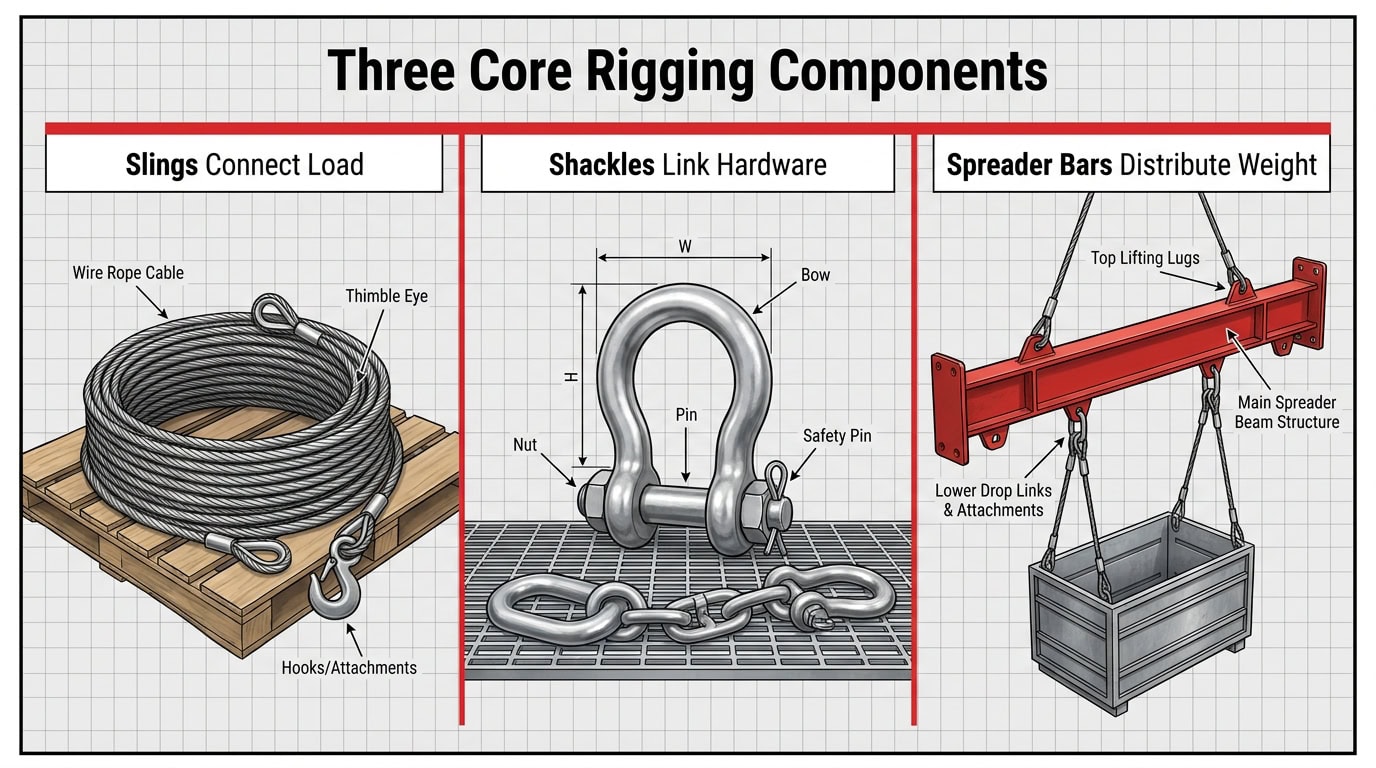
Renting slings, shackles, and spreader bars means accessing the three core components of a rigging system on a project-aligned basis, without the capital cost, maintenance burden, or depreciation risk of ownership. This guide covers equipment identification, rental decision-making, sling and shackle types, spreader bar selection, load rating rules, OSHA compliance, rental costs, pre-use inspection, and […]
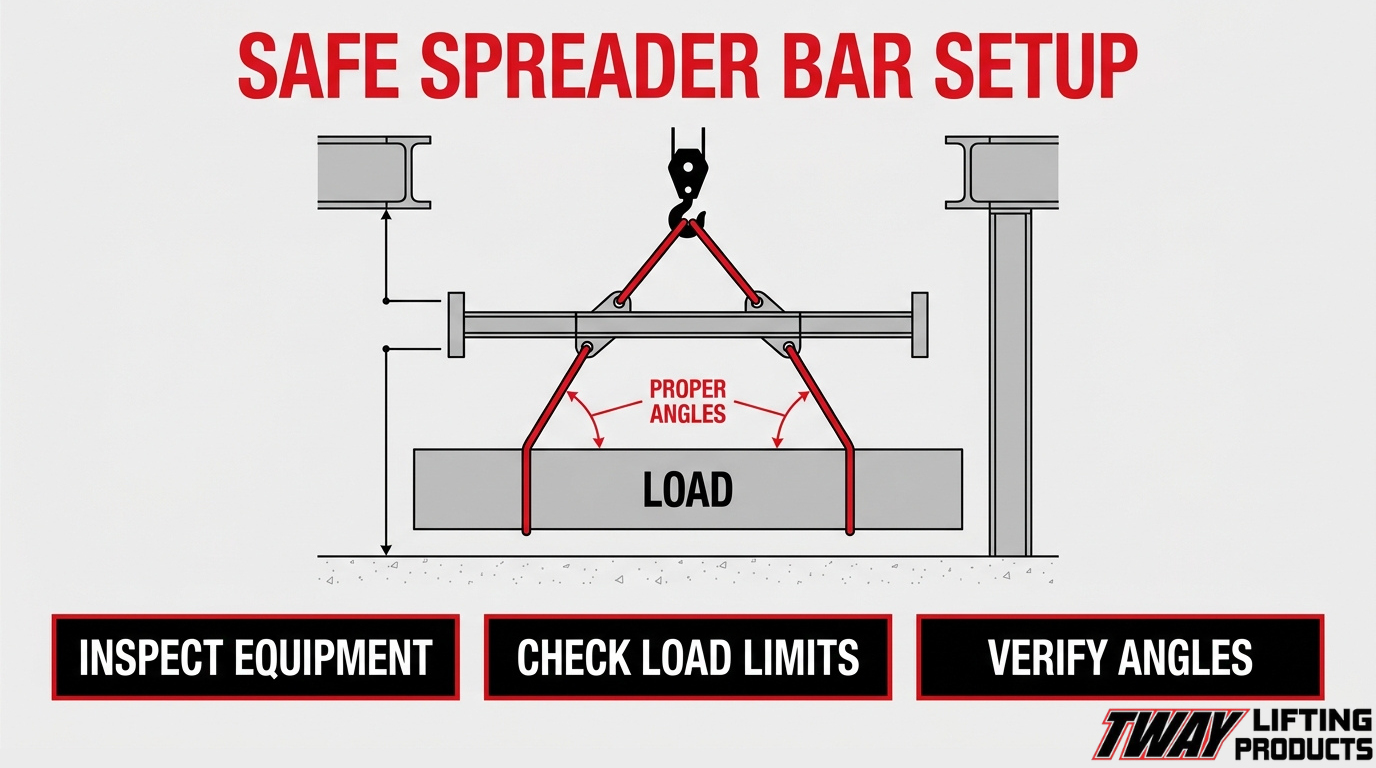
How to Set Up Your Rented Spreader Bar Safely
A spreader bar is a below-the-hook load attaching device that keeps lift slings separated and vertical, absorbing inward compression forces through the bar itself rather than transferring them into the suspended load. Setting one up safely on a rental unit requires more than connecting hardware — it demands verified equipment, precise geometry, and coordinated communication […]